


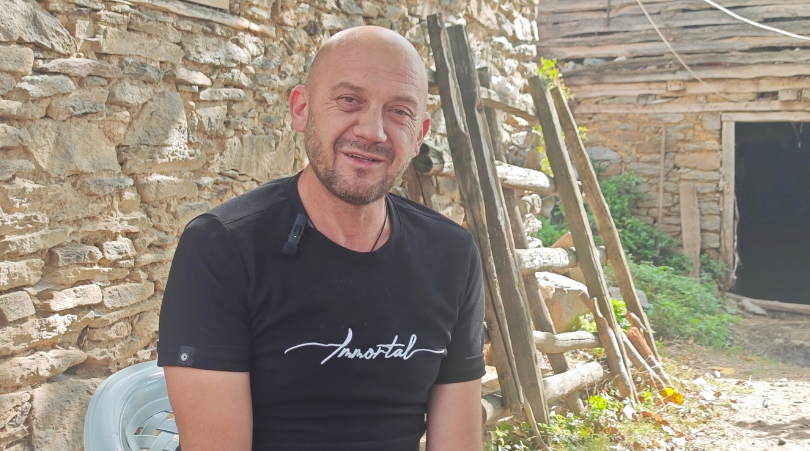
One of my older cows miscarried in the sixth month of pregnancy. I called a veterinarian from Štrpce to examine her and determine what had caused the miscarriage. He told me we should also call other veterinarians so they could consult with one another. I called them, and they came, collected samples, and examined both the cow that had miscarried and the rest of our livestock. It turned out that the cow that had miscarried was healthy, while four other cows were suspected of having brucellosis. They performed a rapid test, which indicated the presence of the disease. However, the main ELISA test did not detect the disease in any of the animals. We therefore asked them to repeat the tests so that we could establish with certainty whether the animals were actually infected. They refused. They came, took the cows, and drove them away.
This is how Novica Ilić briefly recounts the distressing incident that recently took place in the yard of the Ilić family, who live in Sušice, one of the most remote villages in the Sirinić Valley.
Ten Years of Working Far from Home
After more than a decade working in construction in Belgrade, Novica underwent spinal surgery. Along with his diabetes diagnosis, his health became increasingly fragile, and since then, he has no longer been able to do physically demanding work.
I worked in construction for ten years, until I had surgery last year. Until then, I regularly travelled to work to help support my family. Since the operation, I have been at home. I also have diabetes.
He spent much of his youth far from home, earning a living to raise his four children and provide for their education. He and his wife, Danijela, have three sons and a daughter.
We are a hardworking, honest family. We live and work together with my brothers. That is how we have made our living. We made and sold cheese and put our children through school. We cut the grass by hand because we do not have machinery. We use horses and harness oxen, too. There are very few places a tractor can reach, even a small one. The terrain is hilly, so we mostly work with horses. We do our best. Some things we buy, while others we provide ourselves. The children have always stood by us, and they work, too. Our youngest son is at university, but whenever he is home, he helps out, especially since my operation.
The Ilić Family’s Life Beneath the Šar Mountains
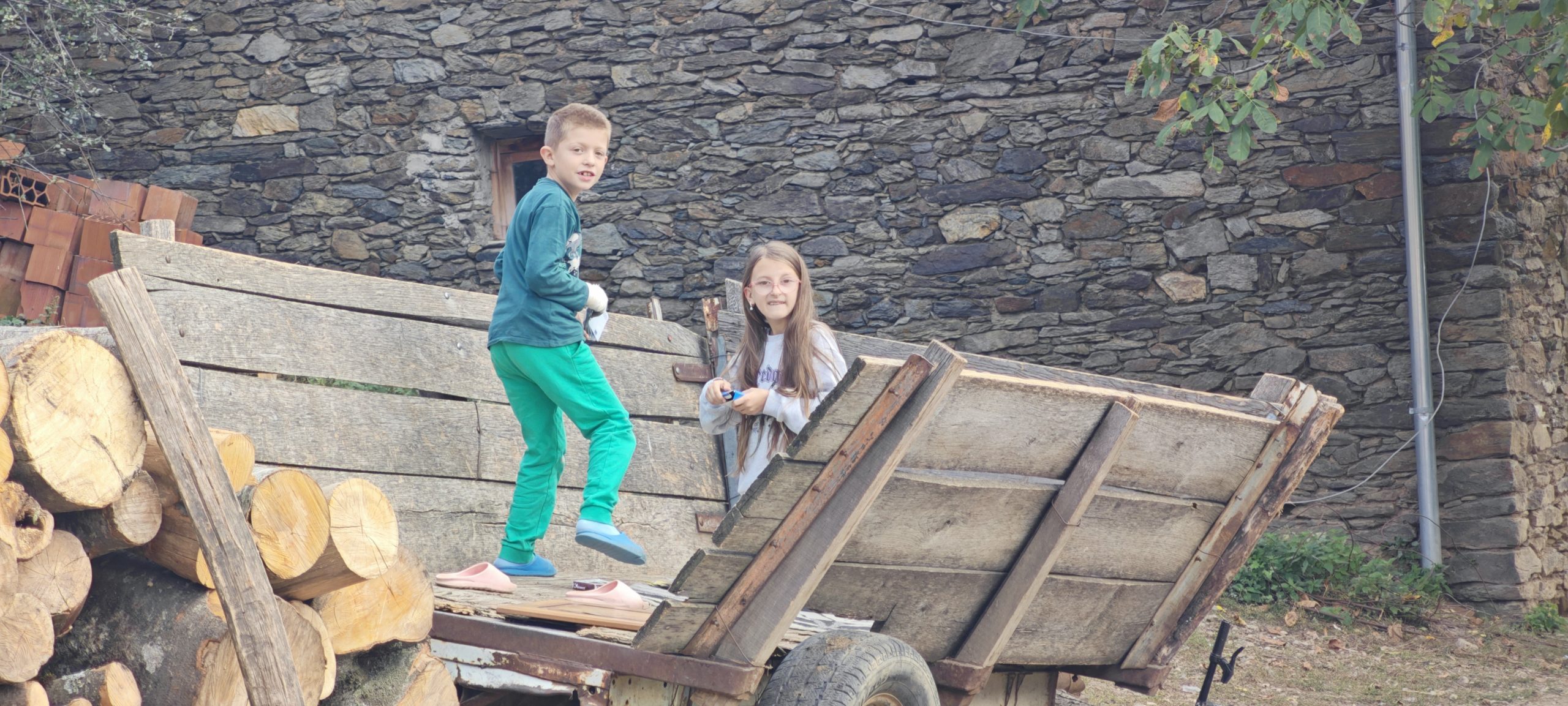
For years, the Ilić family has made its living through farming and selling Šar cheese. Novica’s two older sons worked in construction in Belgrade and now work in Niš. His daughter, Lana, attends high school. Marko’s three children, Lena, Jana, and the youngest, Vujadin, who was named after his grandfather, are still in primary school.
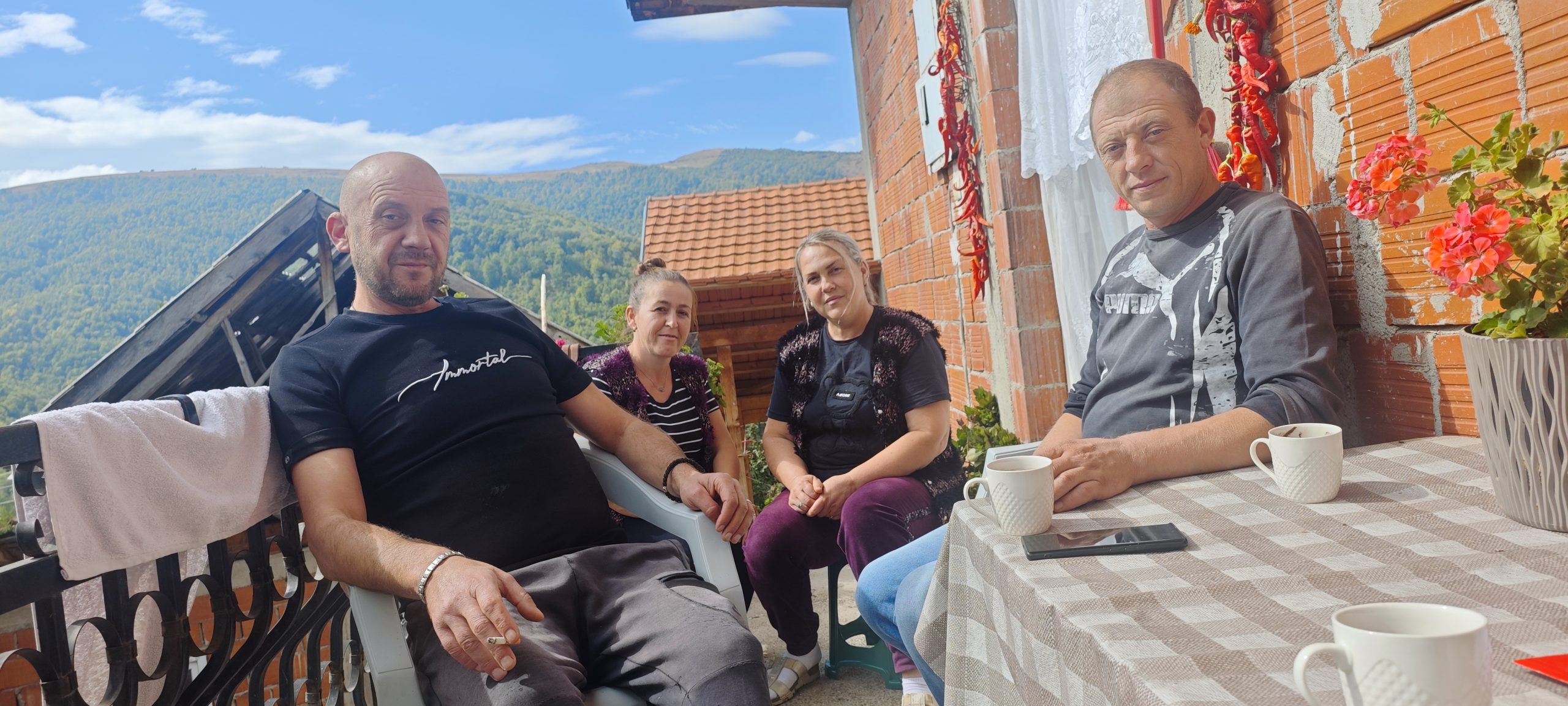
The two sisters-in-law, Danijela and Ilirijana, work together to milk the animals and make cheese. Beyond sharing the daily household chores, they get along well and support one another in all their family responsibilities. Their home is filled with harmony and love, making it easier to endure the harsher realities of life beneath the Šar Mountains.
It Takes Ten Kilograms of Milk to Make One Kilogram of Šar Cheese
“If you want authentic Šar cheese, you need to let it mature for two months. In the morning, we leave it in the sun for a little while, and when the sun gets stronger, we move it into the shade. We regularly wipe it down and leave it in a well-ventilated place. Each wheel weighs between one and two and a half kilograms, depending on the milk. It takes ten kilograms of milk to make one kilogram of cheese.”
This is how the Ilić family makes the famous Šar cheese, which they have relied on for years to earn a living and put their children through school.
Породица Илић
The Loss of Their Livestock and Their Source of Income
Ever since our cows were taken away, my blood sugar has gone up, and I just cannot get it down. I take three different medications. When we had our cows, we worked hard and earned a decent living. Now our cows have been taken away, and we have lost that source of income. The only money I receive is 23,000 dinars in social assistance from Serbia and 4,000 dinars in child benefit for my little daughter.
No one in the family has a permanent job. By raising cows and goats, Marko and Novica, together with their wives, were able to feed seven children.
Sadly, to this day, they are still unsure whether taking their livestock away was truly necessary. Citing the high cost of further testing, the inspectors confiscated the animals. The test results reportedly kept changing from one moment to the next, the inspectors did not show them an official order, and the documents they presented were in Albanian, a language the family could not understand. Despite all this, the animals were taken away.
Along with four pregnant cows, ten goats were also removed. The family’s total financial loss exceeds €11,500.
The emotional toll on the Ilić family is beyond words. When a farmer’s eyes fill with tears, words are no longer enough to describe the pain.
My Children Cried Over That Cow
“I kept telling them to take blood samples, to test her and find out what was wrong. But they insisted that she had to be removed. What could I do? It was terrible and heartbreaking, I tell you. Why are they doing this to us? My children cried, and that cow had been given to us through the church in Dečani.”
This is how Marko Ilić recalls the confiscation of a cow that meant far more to his family than simply a source of income.
“They Come to Me in My Dreams Every Night”
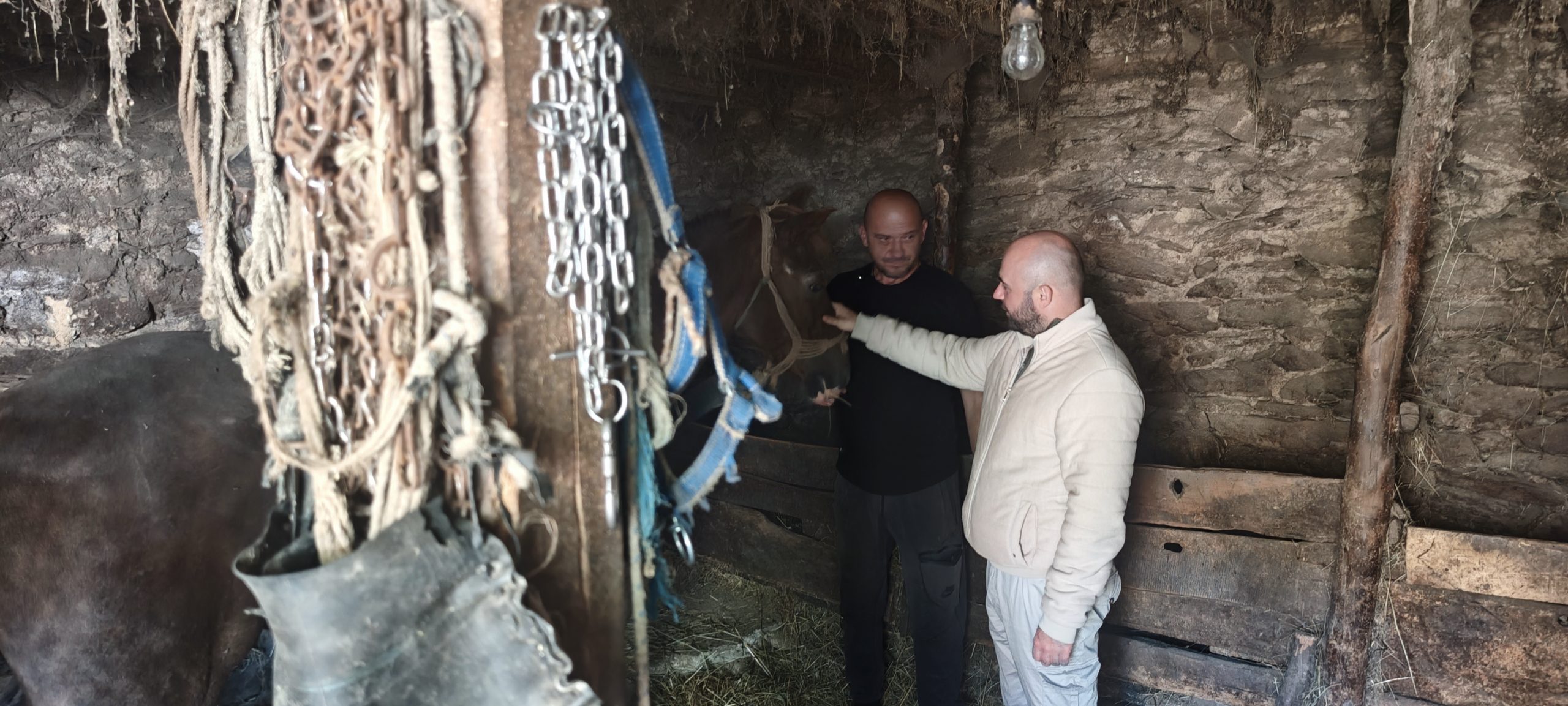
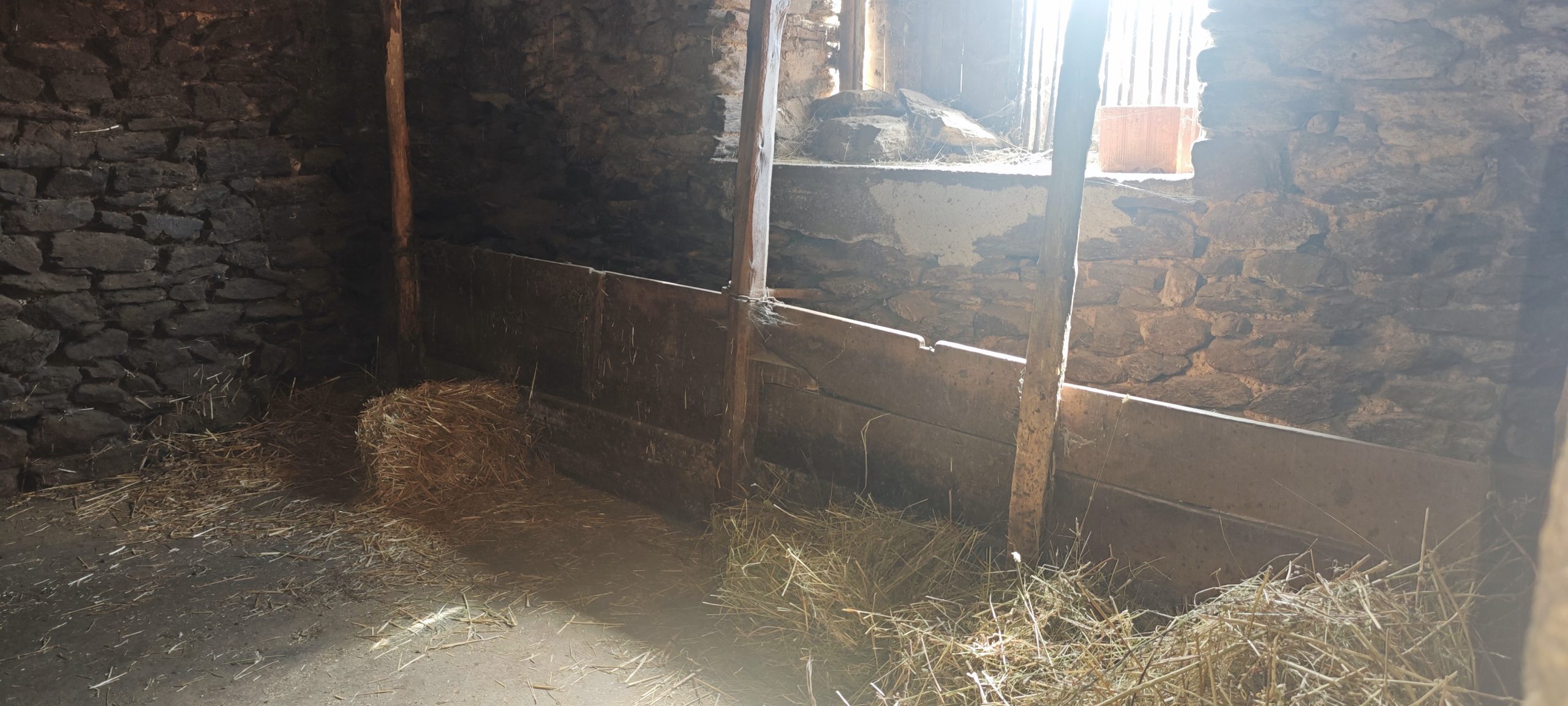
Ever since our cows were taken away, I cannot bring myself to enter the barn, to be honest with you. It is incredibly hard for me. Even after all this time, I cannot find peace. They come to me in my dreams every night. I dream about them. My blood sugar has gone up, and I just cannot get it down. I take three different medications
Празна штала
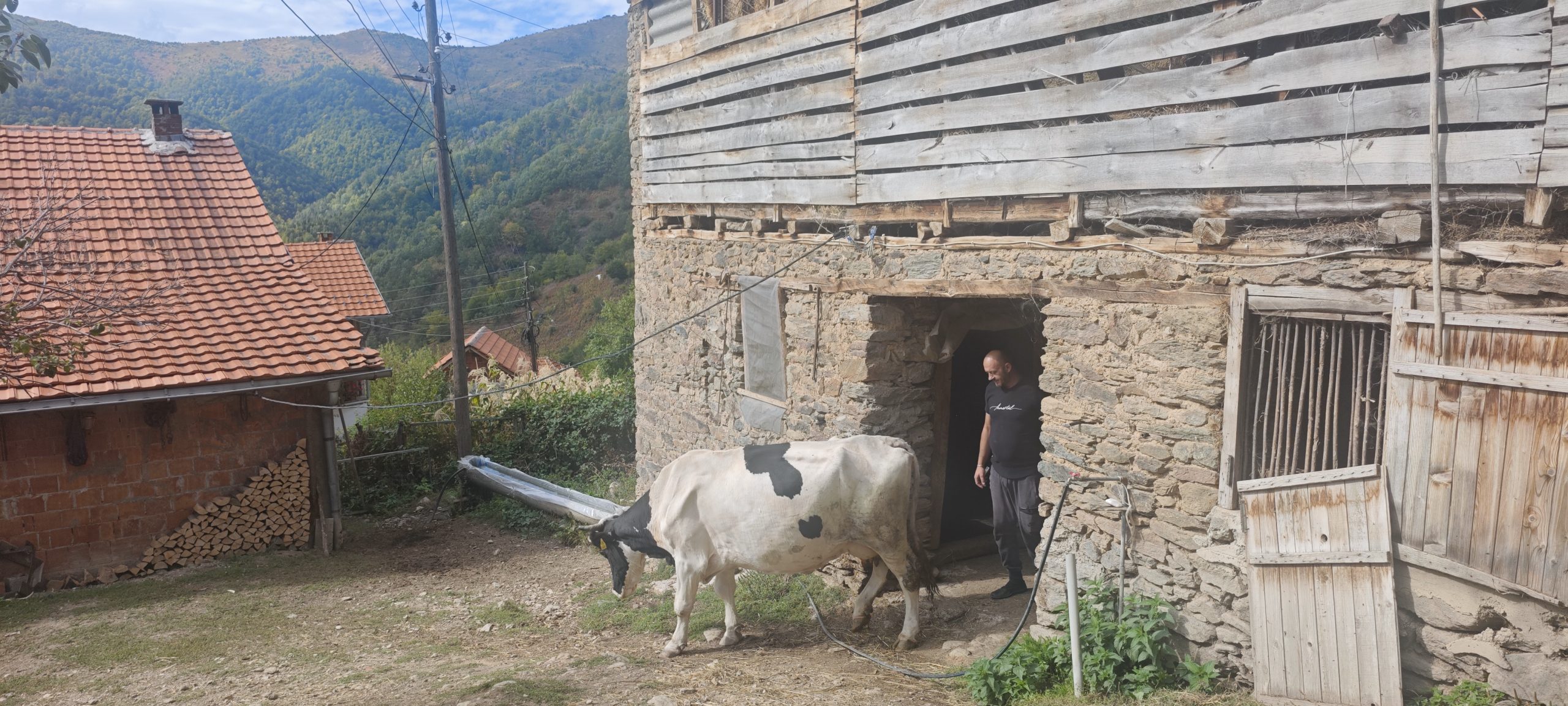
The Ilić family has suffered a devastating loss. Today, they rely solely on social assistance. Marko, Novica’s brother, has no income of his own. As Novica explains, all they have left is one old cow, a small raspberry patch, and just a few geese and chickens.
Yet, thank God, there is still plenty of joy, patience, and quiet pride in the Ilić household. Their resilience is the kind often found among people who have spent their lives in the mountains, facing hardship with dignity.
They welcomed us with smiles, gathered on the terrace in the sunshine, sharing coffee and homemade pear brandy. They even brought out what may have been their last piece of Šar cheese to offer us.
What remains is their hope that it is possible to remain humane in the face of power and injustice, along with the strength to keep filling the feeding troughs each day and preserve even the smallest herd.
You Can Support Our Work in the Following Ways
Monthly Subscription
Support our initiatives and help families in Kosovo and Metohija! We invite you to join us in our efforts to ensure a dignified life for Serbs in Kosovo and Metohija.
Choose a monthly subscription and become part of our ongoing mission to provide support to those who need it most. Subscribe
One-Time Donation
If you would like to support our work without committing to a monthly subscription, you can make a one-time donation and directly contribute to our initiatives. DONATIONS.









Оставите коментар