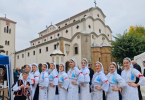
The village of Klokot and the church of St. Petra and Pavla
1. October 2025.
Edition: Villages and Churches of Kosovo Pomoravlje
The village of Klokot, home to the Church of Saints Petra and Pavla, is a multiethnic settlement in the municipality of Vitina. It is inhabited by both Serbs and Albanians, with Serbs making up the majority. The village counts around 150 Serbian households and lies at a crossroads connecting Uroševac and Vitina with Gnjilane.
Located on fertile plains, Klokot is surrounded by rich farmland, which makes agriculture the main occupation of its residents. Alongside farming, livestock breeding is also practiced, but Klokot is best known for its spa. Klokot Spa is inseparable from the village itself. Several thermal springs can be found in the area, with temperatures ranging from 16 to 32°C, and some even reaching 50°C. Thanks to high water temperatures and mineral-rich content, natural pressure often causes the springs to erupt like geysers.
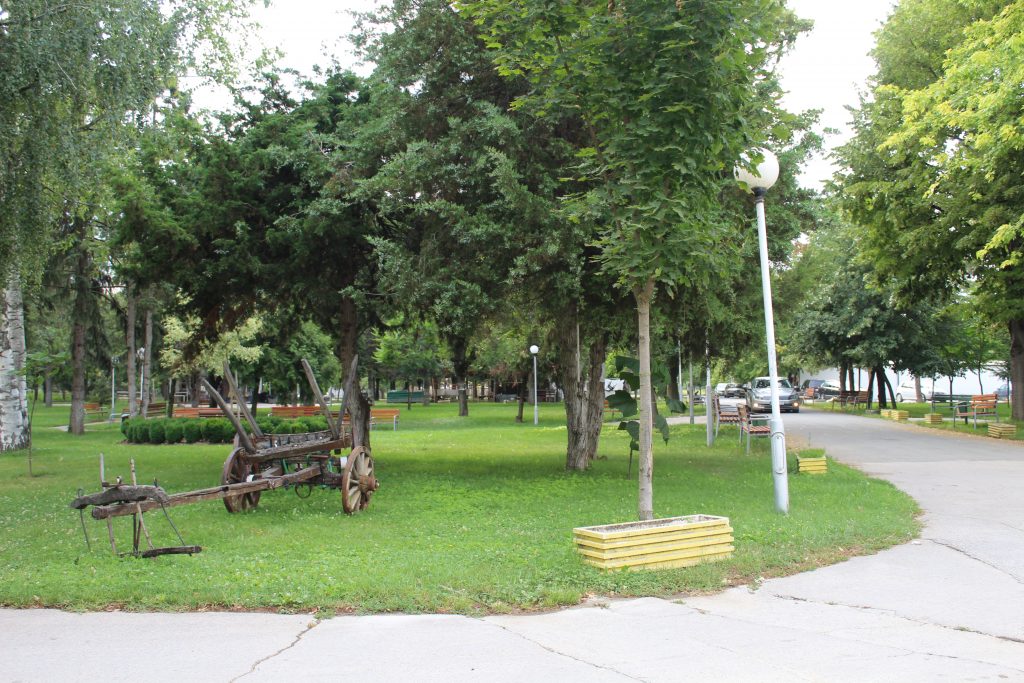
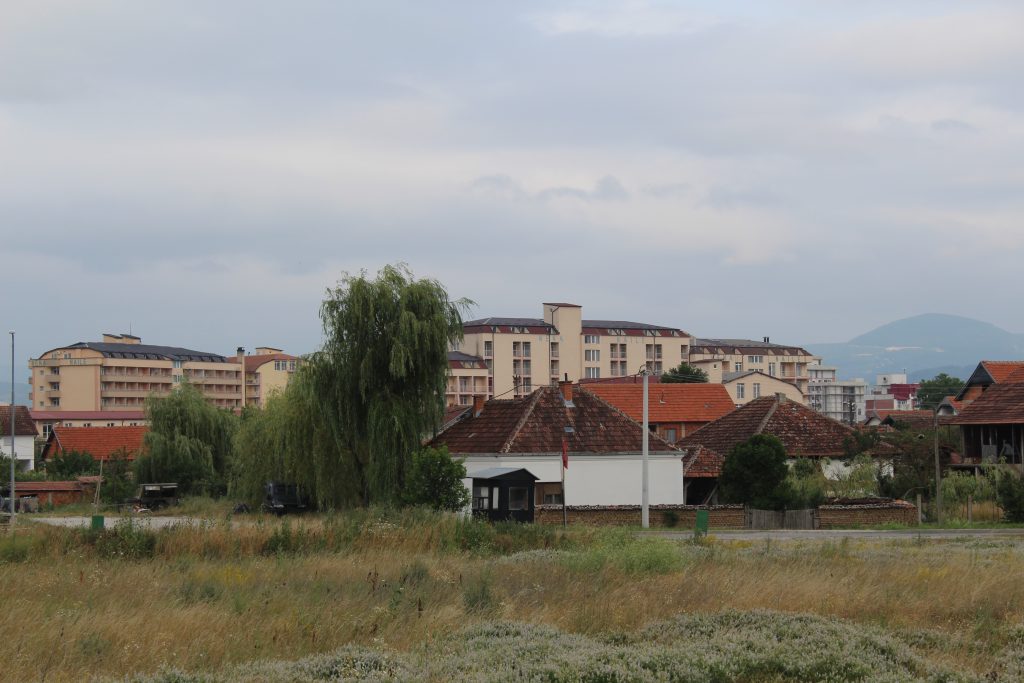
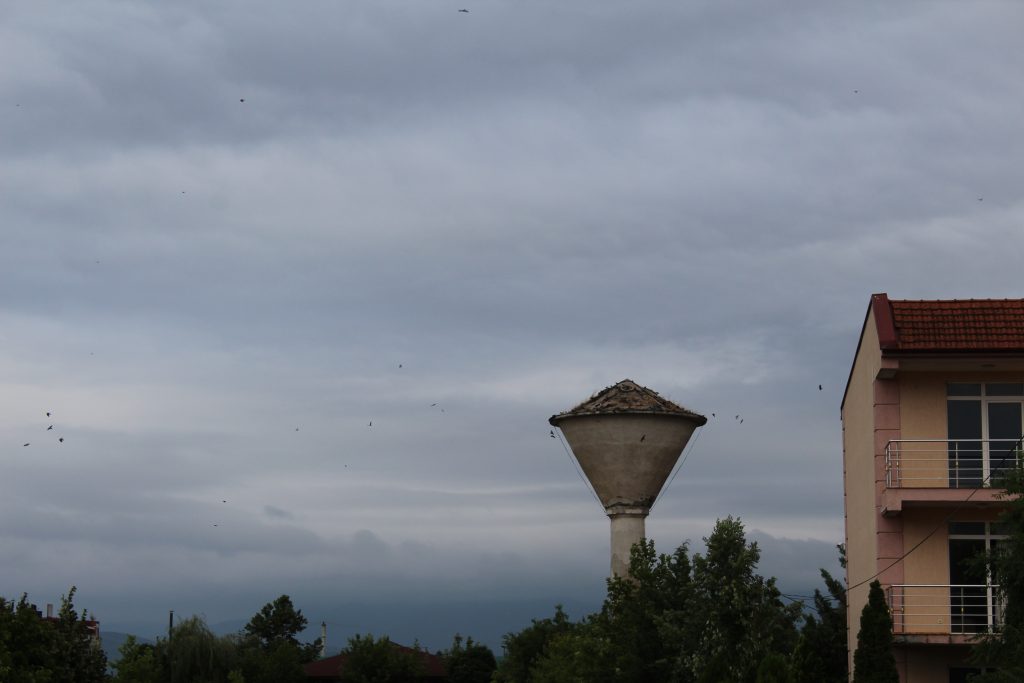
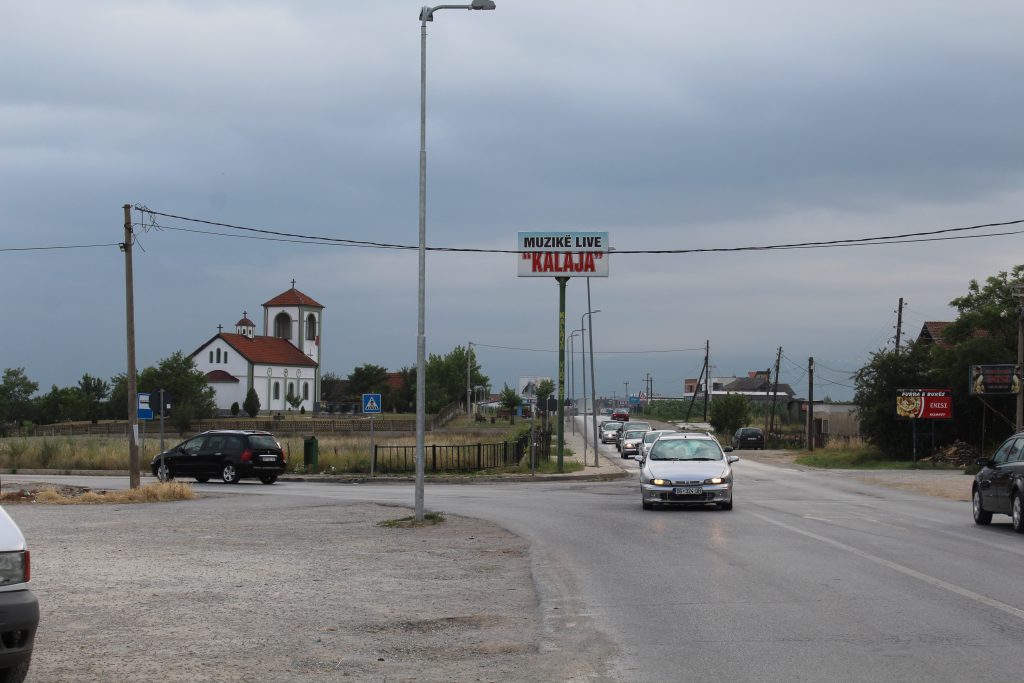
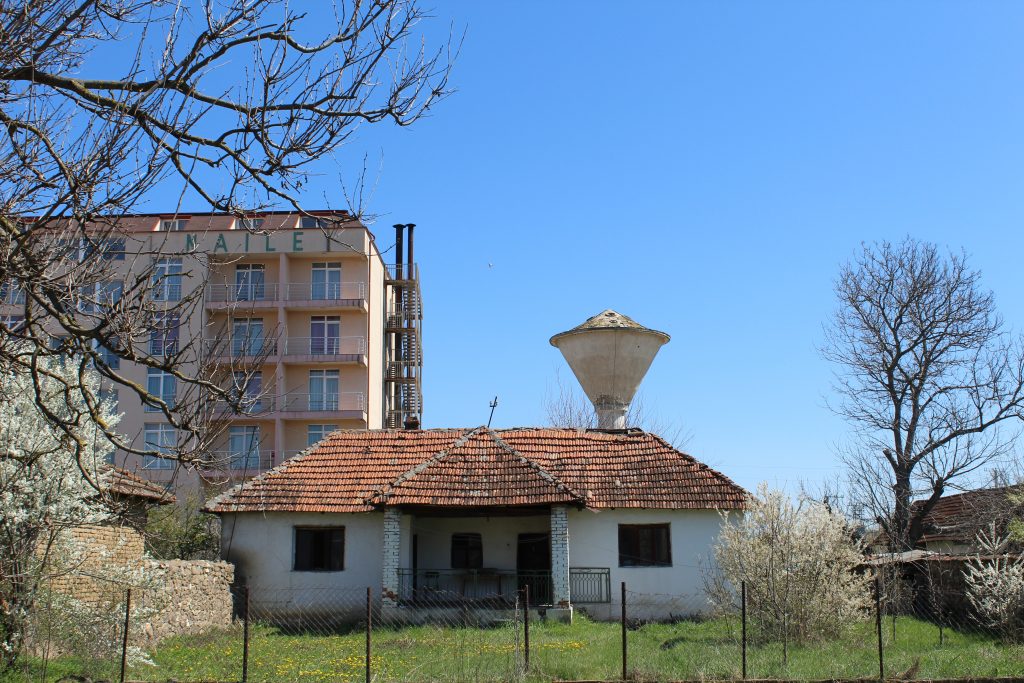
Image 1. Park in Klokot spaImage 2. In the foreground are Serbian houses and in the background are the accommodation complexes of Klokot spaImage 3. Old water tower in Klokot spa
Klokot spa
Because of its healing properties, Klokot Spa ranks among the 34 most famous spas in Serbia, alongside Bukovička, Vrujci, Mataruška, and Niška spa. The once state-owned enterprise is now privatized and run by Albanian owners, within which a Rehabilitation and Physical Therapy Center operates. Mineral water from the spa is also bottled and sold by several small companies, some Serbian-owned.
The name Klokot itself comes from the bubbling sound (klokotanje) of thermal waters that can be heard in streams and marshes across the village land.
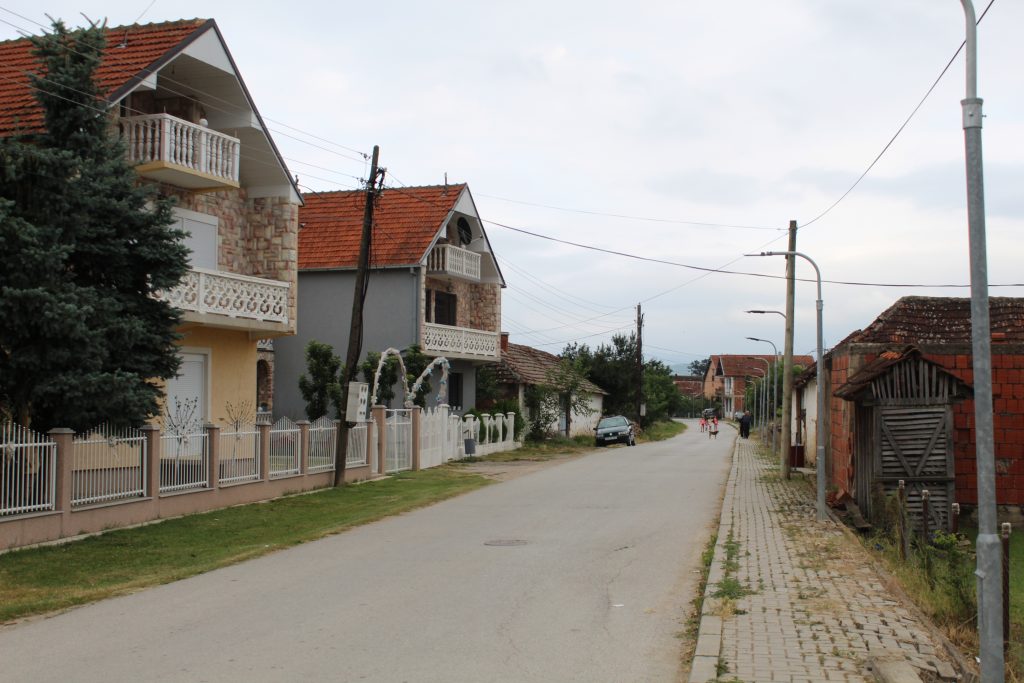
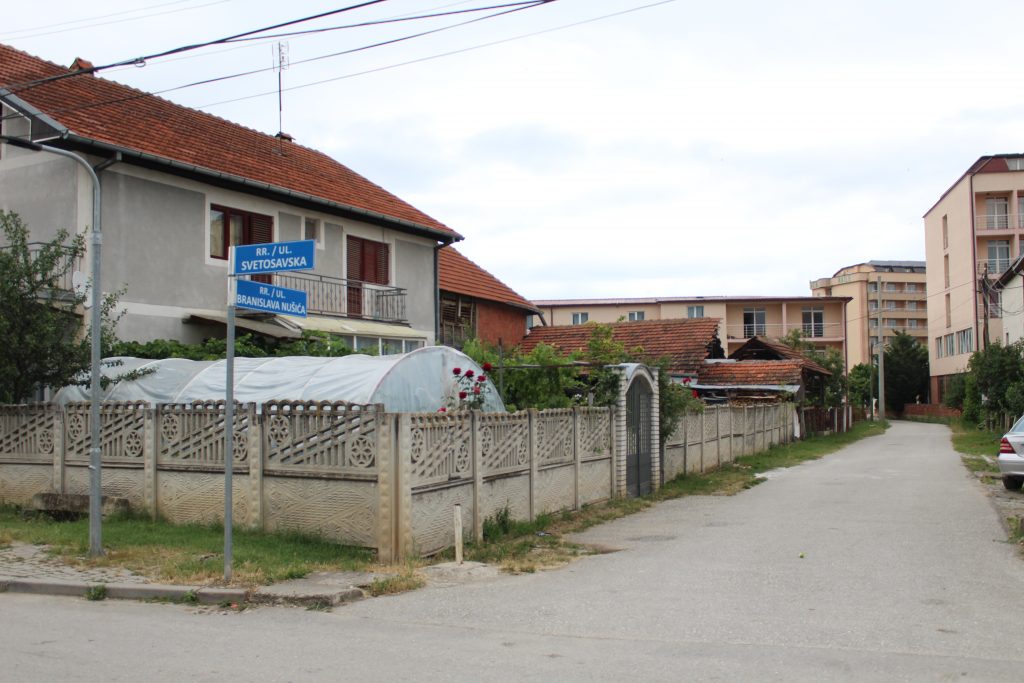
Image 4. Street in KlokotImage 5. Intersection of roads leading to Vitina (left) and Ferizaj (right)Image 6. Intersection of Svetosavska and Branislava Nušića Streets
Klokot is an ancient settlement of the plains. This is confirmed by the archaeological site of Vrban-Grad, where building foundations, pottery, busts, and water pipes were found. Many civilizations once lived here, always drawn by the healing waters of Klokot Spa. The village is mentioned in records of medieval Serbian states, as well as in Ottoman and Austro-Hungarian documents.
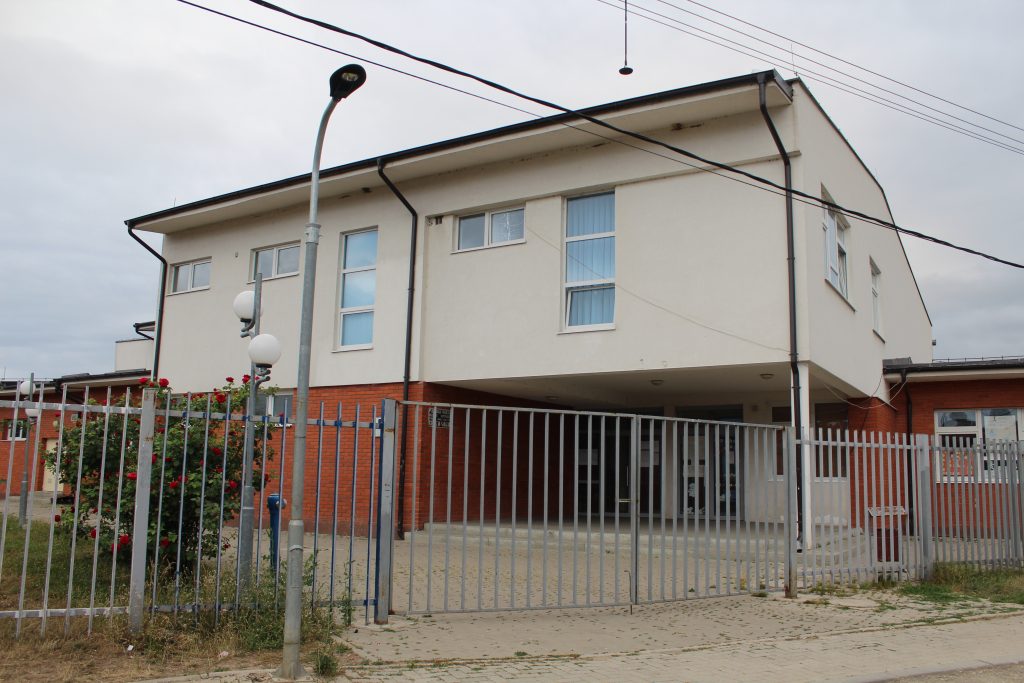
Today, Klokot is home to several institutions of the Republic of Serbia, including the elementary school “Sveti Sava,” attended by about 80 pupils. Historical sources show that education in Klokot dates back to the early 20th century.
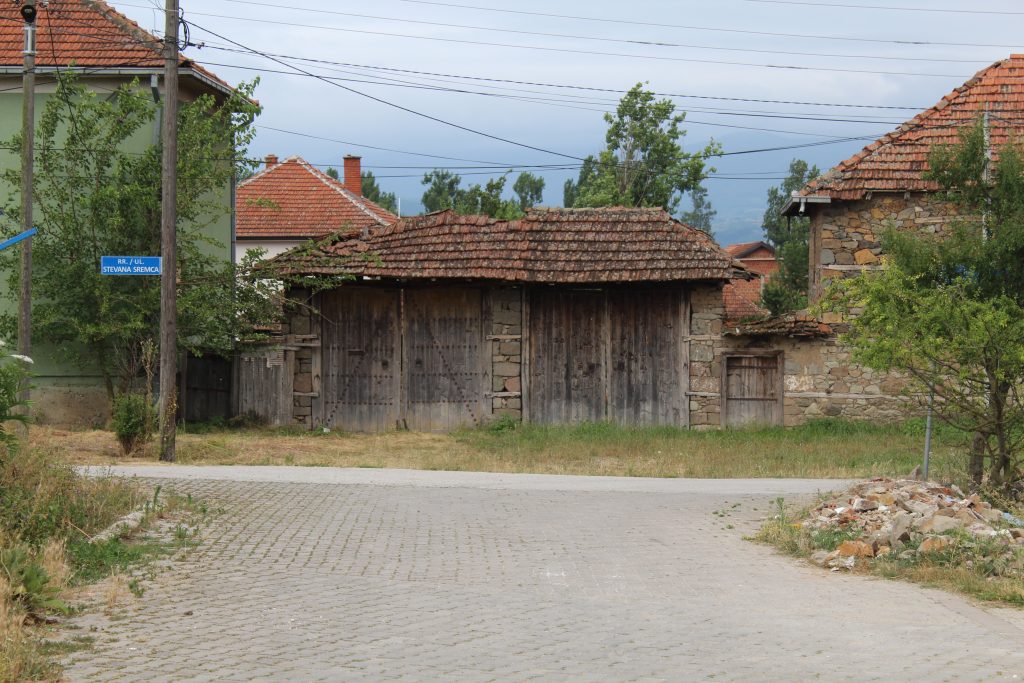
Image 7. “Sveti Sava” Primary School in the center of the villageImage 8. “Old” and “new” KlokotImage 9. Traditional appearance of a gate (with a “kapidžik” – small door) in Kosovsko Pomoravlje
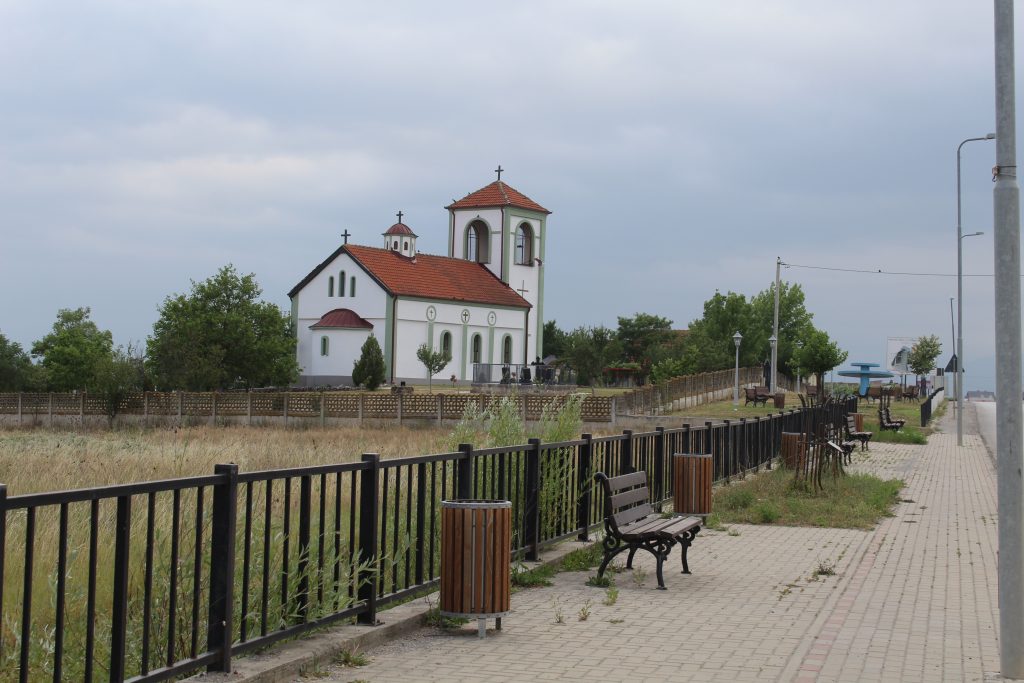
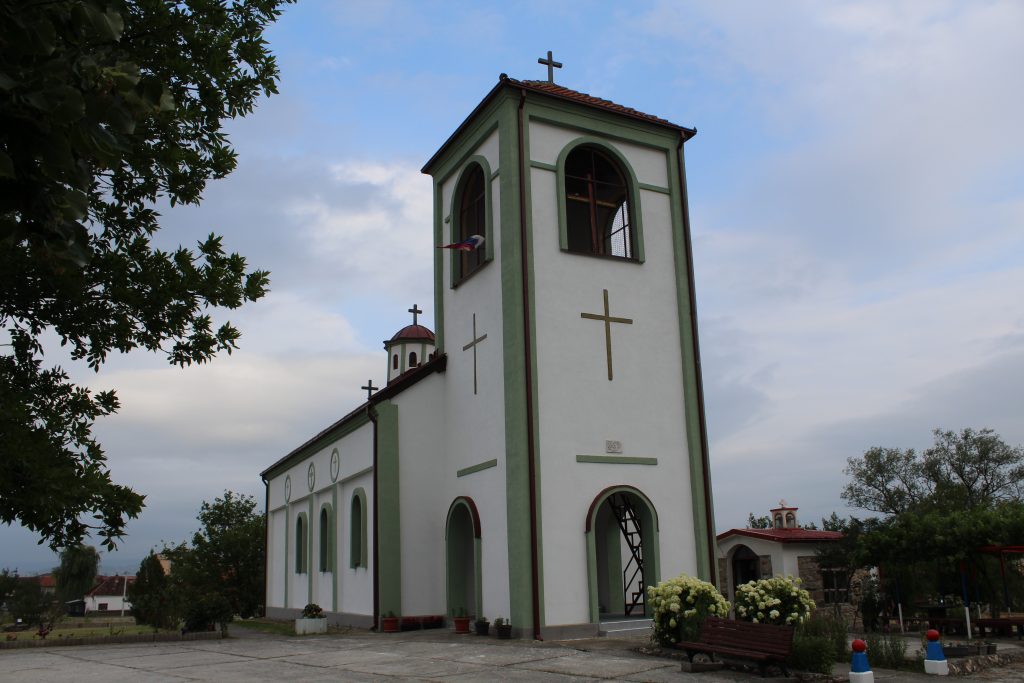
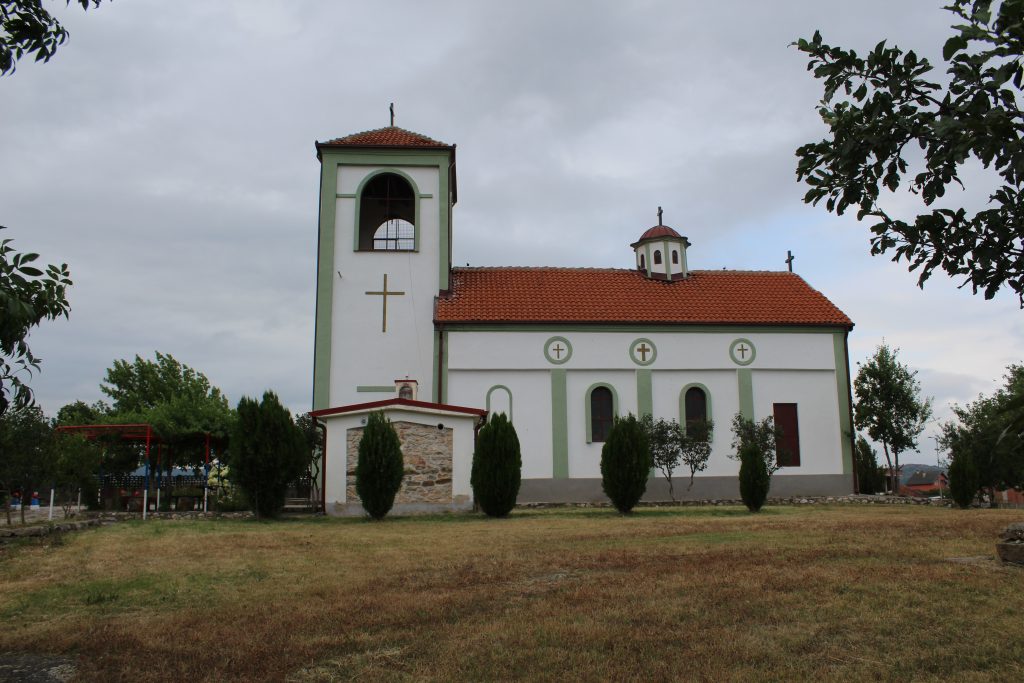
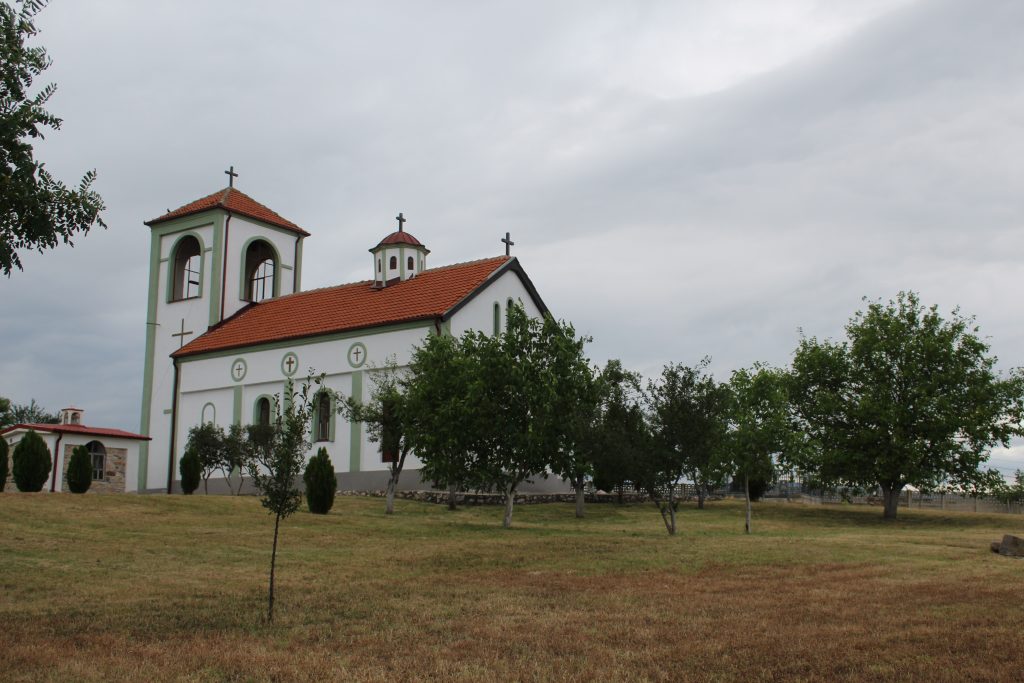
Klokot is also home to the Church of Saints Petra and Pavla. Built beside the main road connecting Gnjilane and Uroševac, its construction began in 1980 at the suggestion of an Albanian from the nearby village of Radivojce, who reportedly dreamt of a prophecy revealing the place where a new church should be built. The village once had the old Church of St. Petka, near the remains of Vrban-Grad, as well as an even older Church of St. Nicholas, both of which were likely destroyed during Ottoman times.
Image 10. Church of St. Petra and Pavla
The new church was completed in 1985 despite many obstacles. The local municipality (majority Albanian) long refused building permits, and the police often tried to halt construction. However, the people defended the site, and with the support of Bishop Pavle (later Patriarch), the church was built and consecrated on Sunday, July 14, 1985. Interestingly, the church holds a cauldron from St. Nicholas’ Church and a pair of old school doors dating back to Ottoman rule.
After the withdrawal of Serbian forces from Kosovo and Metohija, there were several attempts to destroy the church. However, because U.S. soldiers were stationed in its yard, the building was preserved.
Today, the Church of Saints Petra and Pavla stands as a strong witness to the deep faith of the Serbian people. Despite difficult economic conditions and the pressure of living in a multiethnic environment, the remaining Serbs of Klokot continue to preserve their centuries-old homes and heritage.