
NAME OF THE MONASTERY
Ilarion Ruvarac was the first historian to write about Ubožac. According to the records of Patriarch Pajsije, he assumed the monastery was located in Anđelova Topolnica, although he knew little about the area. Later, Stojan Novaković identified Anđelova Topolnica with the medieval Novo Brdo region of Topolnica, considering that Ubožac was in the village of Boževac near Novo Brdo. However, historian Atanasije Urošević, originally from Gnjilane, was correct. According to him, the toponymic village of Bosce derives its name from Ubožac or Božac. He concluded that the ruins of the church and monastery buildings are near Bosce, in the fields of Močare.LEGENDS OF UBOŽAC
LEGENDS OF UBOŽAC
One legend says that two sisters built monasteries at the same time—one in the village of Gornje Korminjane, and the other in Gornje Močare. When a Serbian nobleman visited the completed monasteries, he said about Ubožac near Gornje Močare: “Why did you build a sanctuary where there is no water? Will you serve from a well? This is a poor place.” According to this legend, the entire area was named Rdjavac. Another legend says that a large non-venomous snake lives in the walls of Ubožac, guarding the complex and driving away intruders and the unwelcome from its gate. (https://dodjiividi.blogspot.com)
ARCHITECTURE
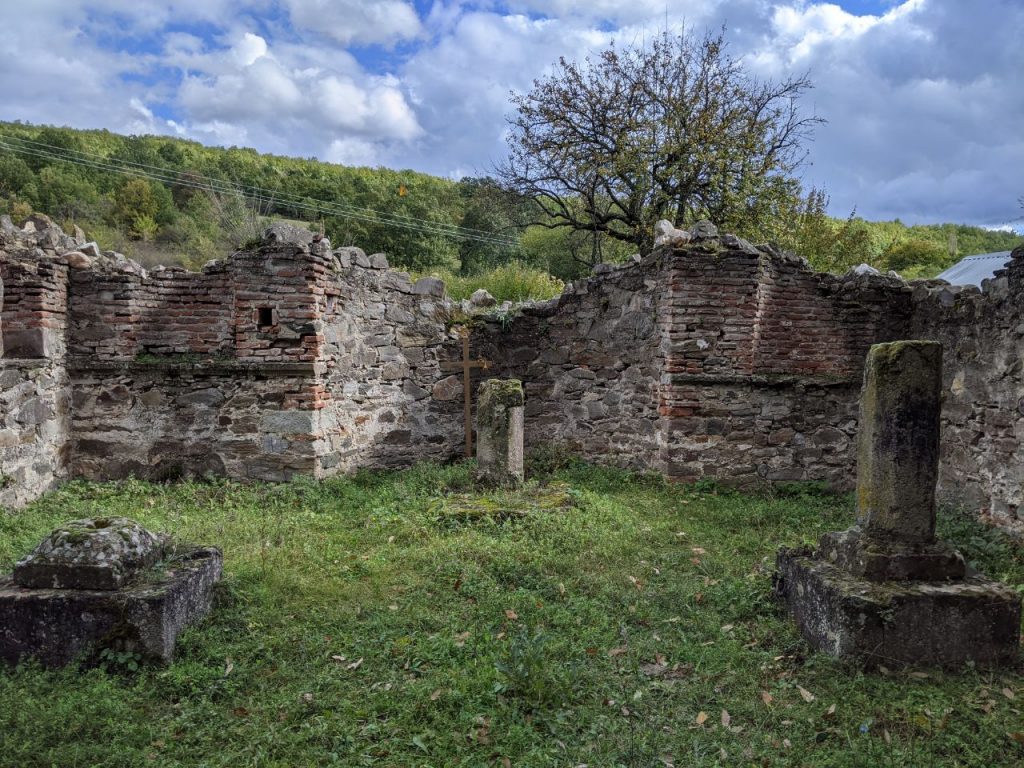
The monastery courtyard was shaped as a skewed rectangle, with the church at its center. The monastery included multi-story buildings: the ground floors served economic purposes, while the upper floors housed the refectory.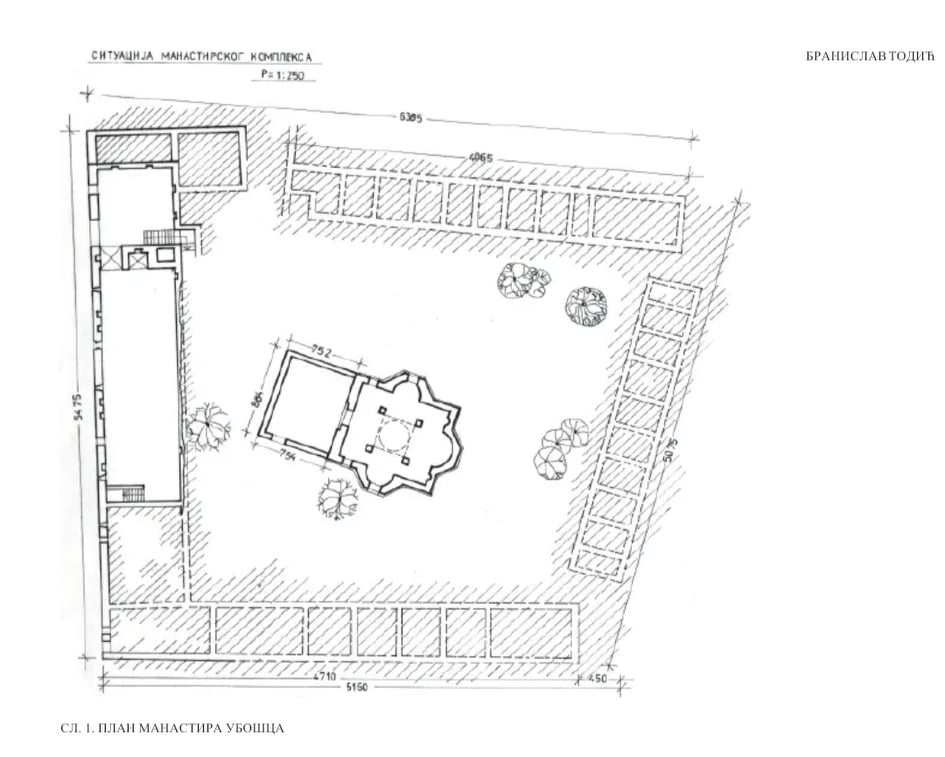
Was the Ubožac church truly built in the 14th century?
Several elements suggest that the monastery ruins may date slightly later than local tradition claims. Written sources mention the monastery only from the mid-16th century. Ruvarac suggested that Božac, recorded in the Peć memorial next to Archbishop Prohor of Ohrid, is most likely Ubožac. The Peć memorial, mostly written by Patriarch Pajsije (1614–1647), lists Serbian archbishops and patriarchs, including Prohor and Nikanor. Mentioning Božac alongside Archbishop Prohor referred to his endowment of this monastery.PEĆ PATRIARCHATE ESTATE (FROM UBOŽAC TO ST. PETERSBURG)
Patriarch Pajsije visited the monastery several times, donated books, and left detailed records. On October 12, 1620, he noted in a manuscript that a book belonged to Ubožac Monastery in Anđelova Topolnica and had been there previously. On the same day, he gifted the church of the Presentation in Anđelova Topolnica a September Menaion previously from Studenica and Žiča. The book was first moved to Peć, then to Ubožac to be used until Žiča was restored. In 1586, Patriarch Savatije died at Ubožac, recorded above the main entrance of the Piva church, which he built as Metropolitan of Herzegovina. Because of his attention to Ubožac, Stojan Novaković believed Patriarch Pajsije became a monk there. Besides Peć and Gračanica, considered the second patriarchal seat, Pajsije gifted Ubožac a book from the abandoned Žiča, to be returned once the First Archbishopric was restored. It is no coincidence that books and other valuables were moved to the Peć Patriarchate when the monastery declined. Today, four remain there, while other Ubožac books were likely in Peć for a time, such as parts of the Trebnik, moved to St. Petersburg in the 19th century. This indicates Ubožac could have been an estate of the Peć Patriarchate.PLANS FROM MOUNT ATHOS
The plan of Ubožac church is exceptional compared to older Serbian architecture of the Lazarević and Branković periods and Ohrid construction. Archbishop Prohor of Ohrid likely adopted this plan from Mount Athos, with which he maintained close connections. Similarities between Ubožac and Athonite monuments are noticeable, though no katholikon older than the 16th century matches Ubožac exactly.UBOŽAC TODAY
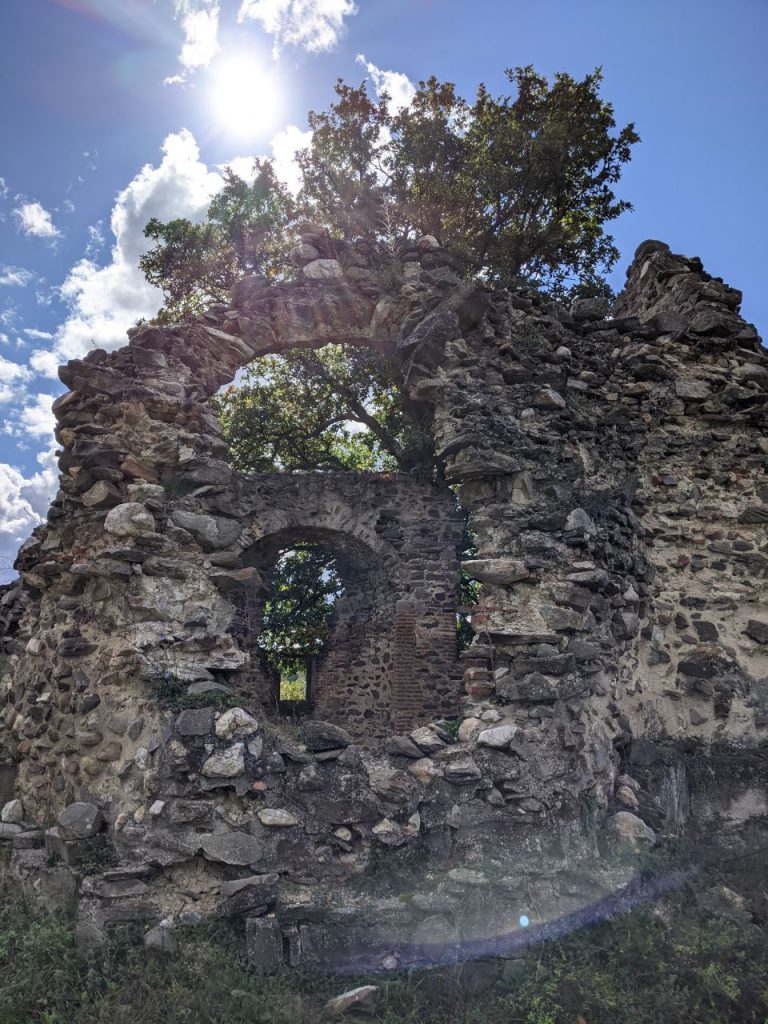
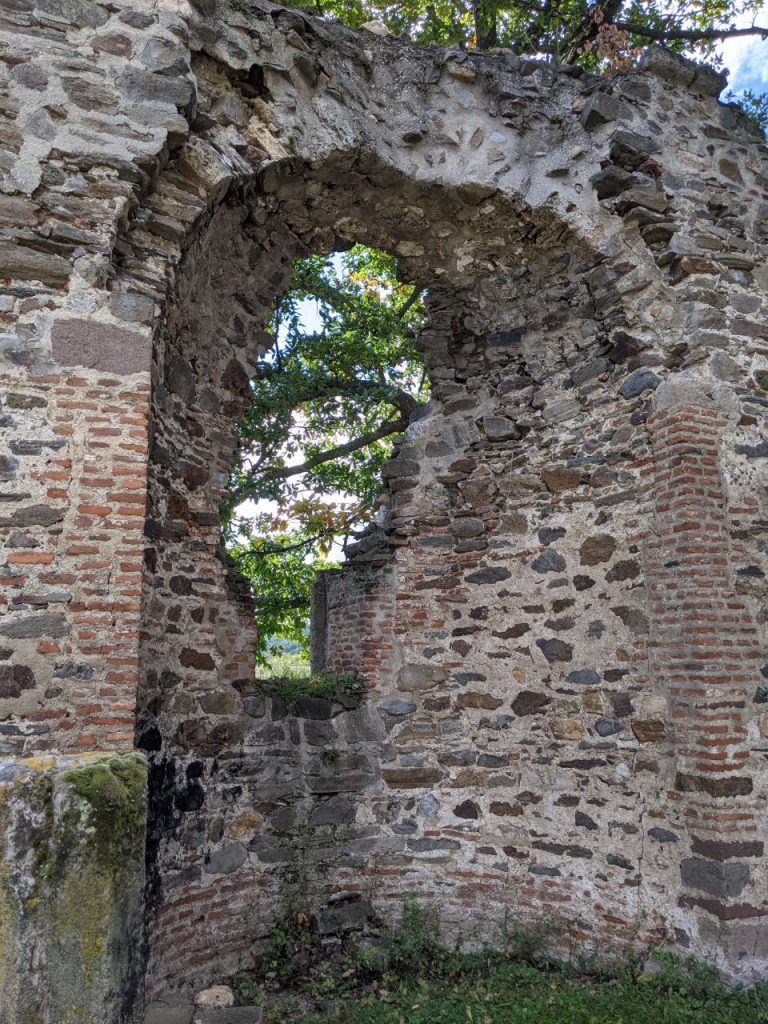
“Once a prominent monastery with a large church, cells, refectory, and many economic buildings, it has become an imposing ruin. Over time, the name of the monastery, the church’s dedication, and the names of those who built, cared for, and lived in it were forgotten.” – Prof. Branislav Todić With these words, Professor Branislav Todić, whose work we used when writing this text, describes the monastery’s current appearance.