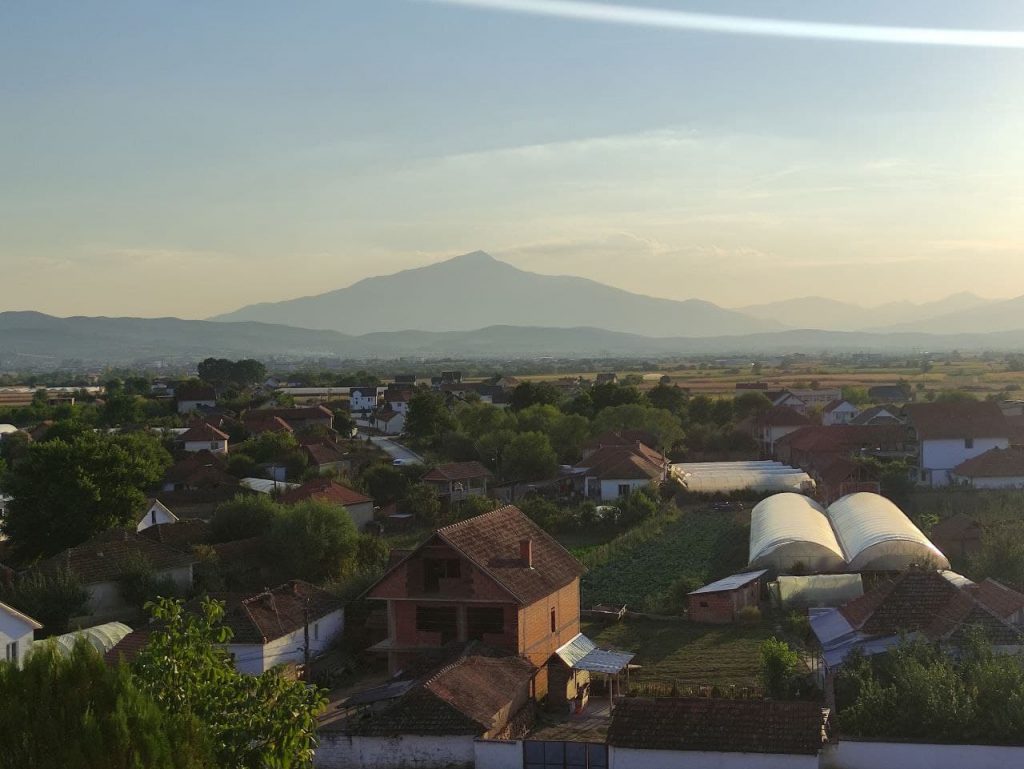
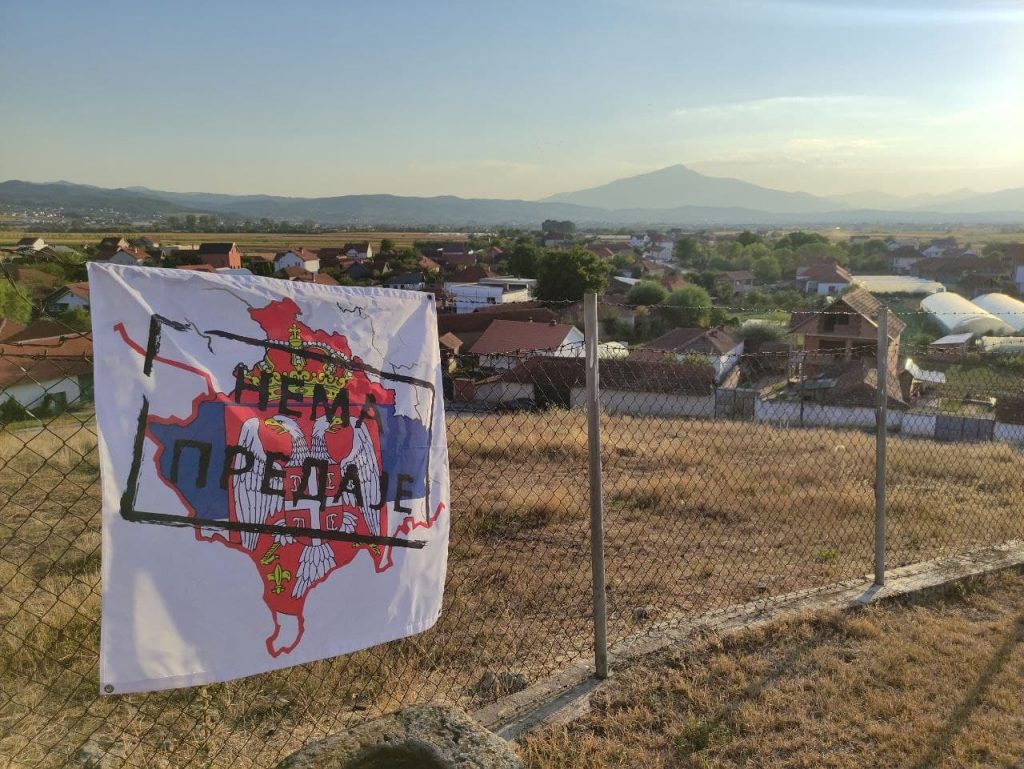
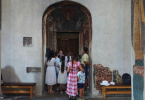
The village of Mogila in the Kosovo Pomoravlje region
25. September 2025.
Mogila is one of the oldest villages in Kosovo Pomoravlje. Its history goes back to the 17th century when it was founded by the Čitaci, expelled from Vrbovac. The village belongs to the Upper Morava region, which, together with Izmornik, lies between Skopje’s Black Mountains, the Žegovac mountain, and the Novo Brdo area.
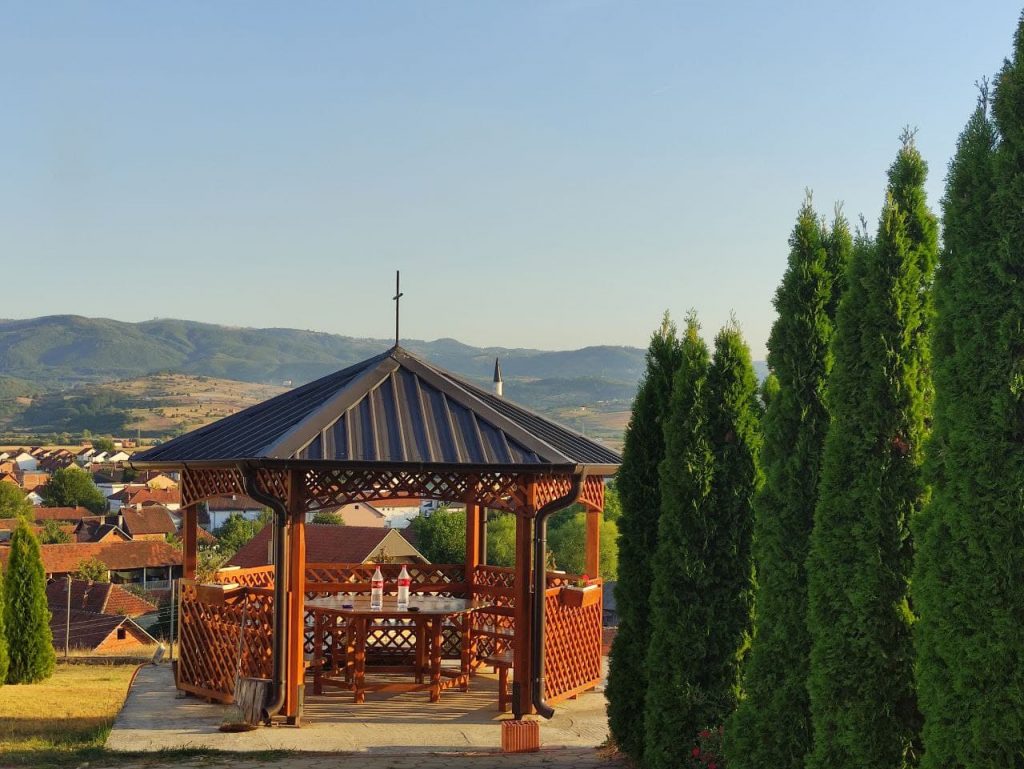
Mogila village
Mogila in Kosovo Pomoravlje
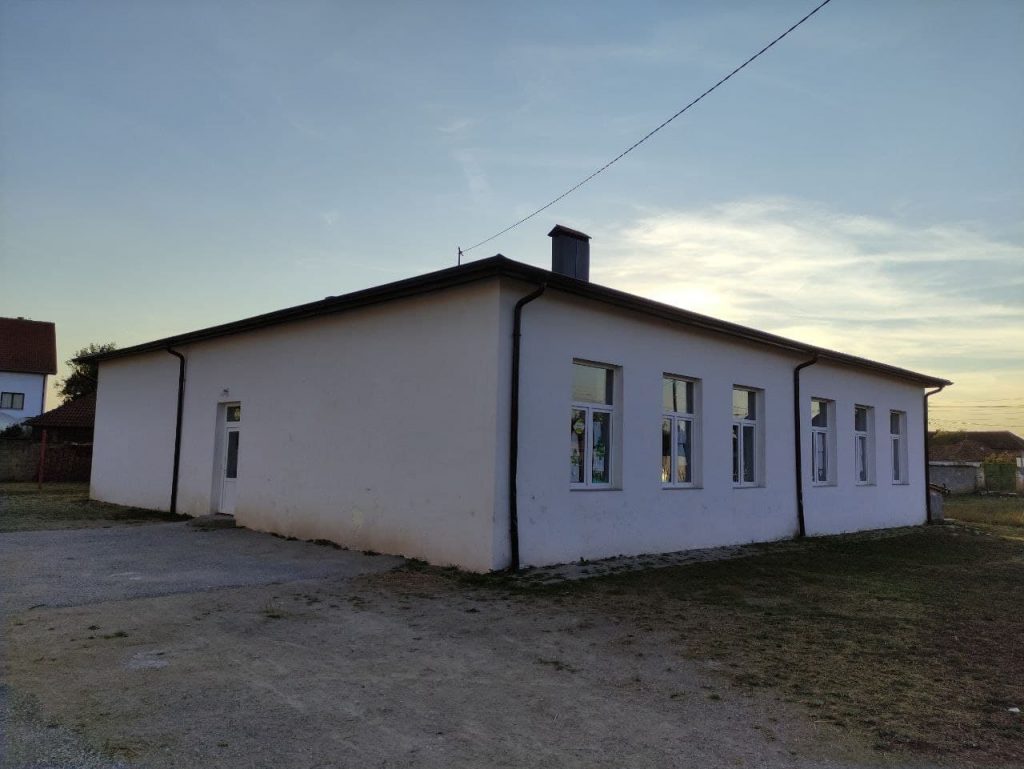
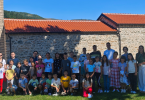
Today, the village has around 70 Serbian households and twice as many Albanian households. The primary school, “Marko Rajković,” used to be multiethnic, but now only Serbian children attend it.
Elementary school “Marko Rajković”
Residents are mainly engaged in agriculture. Mogila is known in Kosovo Pomoravlje for its peppers and cabbage. For a while after the war, the government purchased all their produce, but today they sell independently on the market. Nevertheless, they don’t complain, as they are well known locally. Buyers come directly to the village or look for their produce at the market in Gnjilane.
No job opportunities for youth in Kosovo Pomoravlje
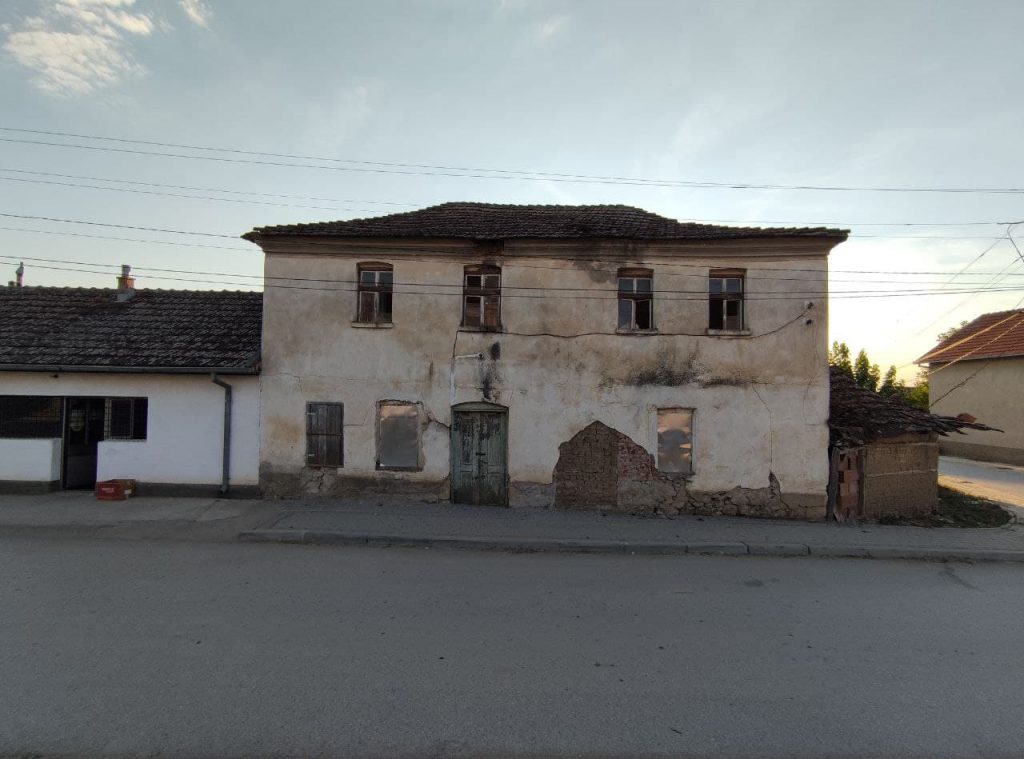
For young people who don’t want to farm, the situation is more challenging. Highly educated residents often cannot find work in their fields, which reflects the general situation across Kosovo and Metohija. Social and cultural life is almost nonexistent, as is the case in most enclaves. The distance from larger, more developed Serbian municipalities and isolation discourages younger residents from starting families here. Throughout the year, no cultural, sports, or other events are organized in Mogila, even for children to socialize.
The Church protects Mogila
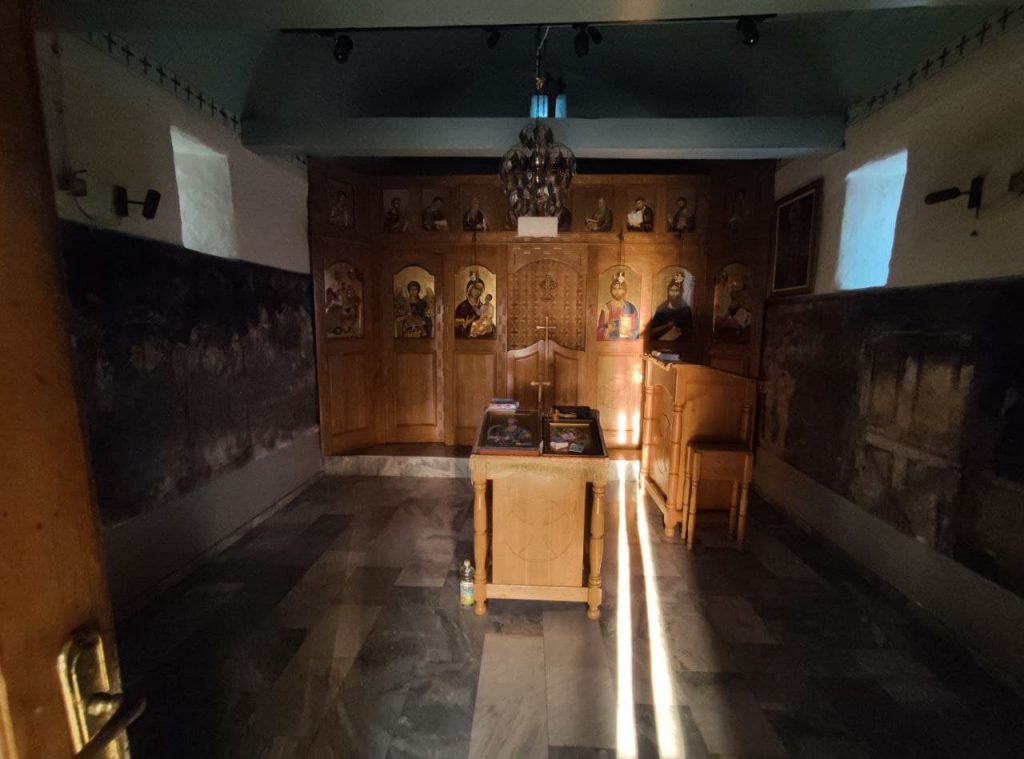
The Serbs of this village are united when it comes to their church. They say that every stone in it comes from their contributions. It is a sanctuary that brings them together and gives them the strength to live, even when forgotten by others. The Church of St. Theodore Tyron in Mogila was built in 1899 on the foundations of the old Church of St. Uroš from the 14th century. It was consecrated on Markovdan 1900 by the Raska-Prizren Metropolitan Dionisije. The church stands on the hill Roš, named after the old church (Uroš).
How the village got its name
From afar, the village resembles a tomb, which is why it was named Mogila, meaning “mound” in Old Slavic. In the altar area of the church, three stone tablets were found, with inscriptions thousands of years old, belonging to the Vinča culture. In 2004, KFOR soldiers took five similar tablets, believed to be even older.
Mogila is a place at the crossroads of mysterious history and uncertain everyday life. Rich in beliefs, customs, and miracles, it is no wonder that life here still thrives, even though many have forgotten that such life can exist.