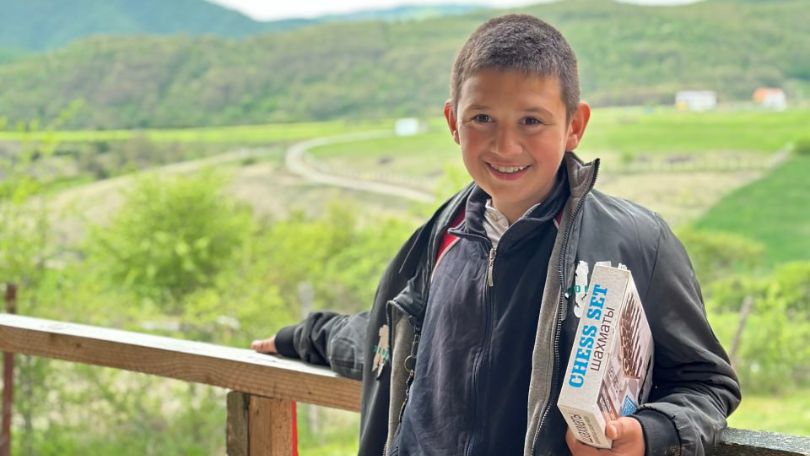
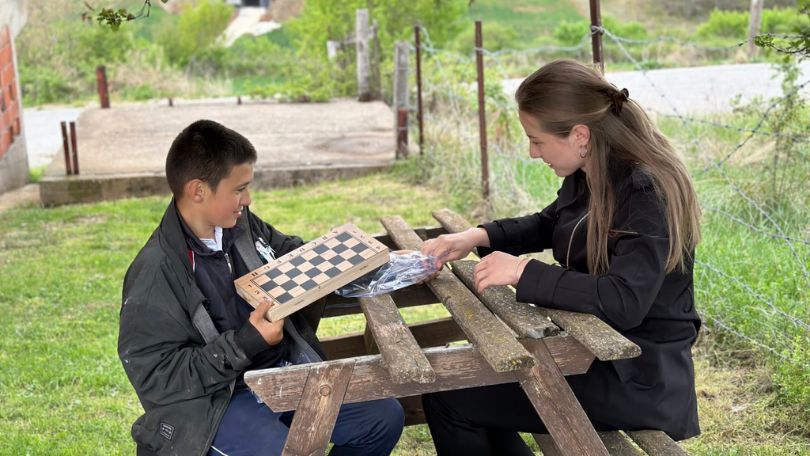
“Hey, legends! Bring me a chess set when you come,” read the message from our good friend Nikola Stanković from Slivovo, near Pristina, whom we love visiting whenever we can.
So, we set off—close to the once-great city, the only truly urban and modern place in Kosovo and Metohija today. Pristina was once a regional center of education, industry, economy, and culture. Professors, engineers, journalists, and artists from many places came and settled there, in a city with an open heart and mind. It was full of life, as it is now full of shopping malls blasting ads of foreign brands—the only true profiteers of war. Nuk ka me Prishtine – There is no more Pristina—is the name of a chapter in the novel Metohija Sfumato, published on the 20th anniversary of the March Pogrom. Serbian students remembered the bitter words from their former neighbors, landlords, and colleagues who drove them out of the city.
The surrounding villages of Pristina didn’t fare much better. All contact with the city has been lost. Villages are no longer alive, but slowly dying—cut off from the world and events. Many Serbs from nearby villages left, many suffered, and many homes were burned. Among the rare places where Serbian voices are still heard is Slivovo.
-Before the war, it was wonderful here. People worked in factories and in agriculture. The village was full, lots of children. My class had more than 20 pupils. After the war—nothing.
Everyone left,” says the father of the boy who often brings us to this fairytale-like place. He explains that the village has always been both Serbian and Albanian, but today the Albanians are far more numerous. They move in every day, especially from the city, seeking peace and health. When asked if they have any problems, he says not so far, but who knows with time. Still, he admits, better this way than to be completely alone. Sadly, he can’t see a future for his children here. His older sons already live far away for work.
Nikola is his third son, the only school-aged child left in the village. He’s in seventh grade. When we greet him and ask how he’s doing, he replies:
-I take care of the goats and play chess. I also watch over Dragan—sometimes—when he feels like listening.
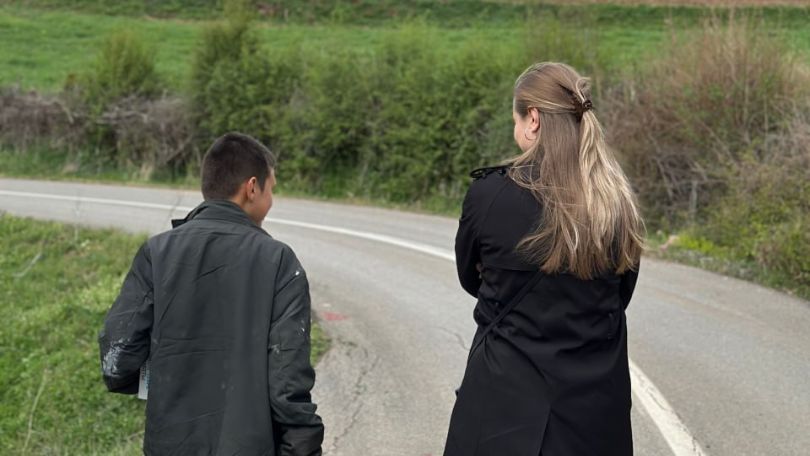
We go for a walk with Nikola to his school, which is located in a private house that once belonged to a Serb who left. Since 1999, Serbian children have never returned to their classrooms. We “steal” Nikola away for a short while from his herd and younger brother to play a chess match. His favorite game was once played at school with his teacher. Since moving to higher grades, his only opponent has been the computer. He admits it’s not very exciting, but it still means something when there’s no one else to play with.
We first met Nikola three years ago. It took time and love to earn his trust and friendship. As it goes—those who can stand alone choose their company carefully, but they also truly treasure the people they care about. That joy shines through the eyes, worth more than words. Nikola always gifts us that joy.
-I started playing football in Gračanica. Dad drives me. I’m good at it, he proudly shares the news. “Teachers come every day. I study,” he adds briefly.
Nikola was one of the first participants in our last year’s Summer School for children from enclaves. From the very first day until the end, we could never fulfill one of their biggest wishes—to play enough football. These children longed so much to play matches with their peers that, in all the modesty of their lives, this one simple wish touched us deeply. “Will you come to the Summer School again this year?” we ask him.
-Yes. But this time with more football, he says with a smile.
We finish our chess game and head back, leaving Nikola with his herd and his chess kings and queens under his arm. We know what to bring next time—football boots and a ball. We wave, honk the horn, and hope that this summer we’ll be able to fulfill his wish to play football at the Summer School. We believe many good people will help us make that happen.
Learn more about the Summer School for children from enclaves here: Summer school 2024
If you can, please support our work and the survival of Serbs in Kosovo and Metohija!