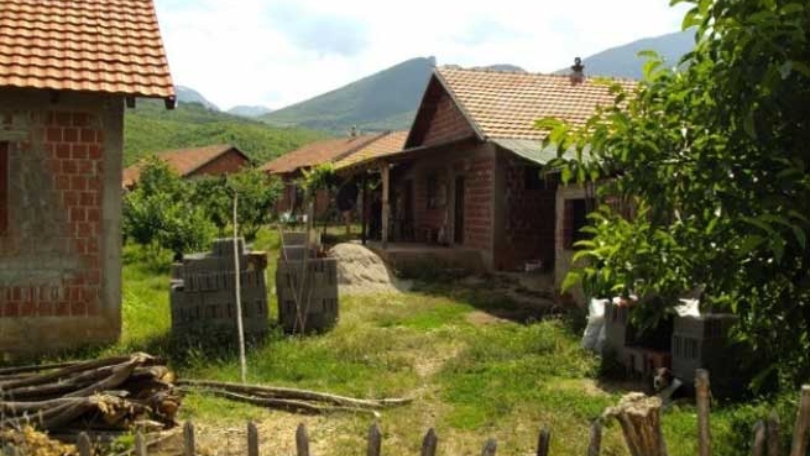
A native village is much more than a simple geographical concept; it represents a deeply rooted part of one’s identity, tradition, and memories. People often feel the urge to return to their birthplace. Brestovik, however, is not so lucky – no one returns, and people leave in search of a better life.
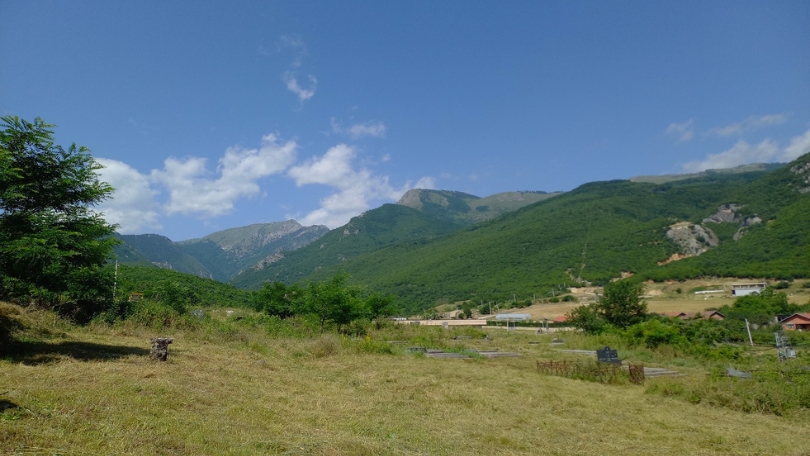
Located about 6 km from the town of Peć, Brestovik nestles quietly in the forest, watched over by the majestic Prokletije mountains. Before 1999, the village had around 700 residents. Today, barely thirty remain. Mostly, these are elderly households—people who have lived here all their lives, then fled, and returned in 2004 to, as they say, “die in their own homes.”
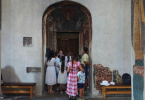
At the entrance to the village, the first thing that greets you is a breathtaking view of the proud, towering Prokletije mountains. The village is small but blessed with stunning nature. There used to be a church, but older residents recall it was burned down and destroyed long ago, even before World War II. All that remains is the churchyard, where villagers gather for the annual village celebration of Spasovdan. In the past, processions would circle the village—a beautiful event when residents, including those who had long left but returned for the occasion, came together to celebrate. Today, since most of the land has been sold, villagers light candles and bless water at the old churchyard instead.
Brestovik is a paradise of incredible natural beauty and escape from the world’s troubles. Peace settles over you the moment you step onto its soil, yet there’s also a lingering sadness and nostalgia. The sorrow is visible on the faces of villagers as they sit by their hearths, their gaze reaching far away, searching for the white world where their children have gone in pursuit of a better life. Waiting for their children to return, they hope they will realize that nowhere is better than home, among loved ones.
One might wonder how they live, and whether they still nurture hope for better times.
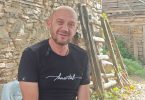
S.M., a mother of four who returned with her children in 2004, says:
-It’s worse than 2004 when we came back. People keep leaving; there are fewer of us now—out of 40 families, only about 30 people remain. There are no young people, and no prospects. We all hoped the return would be sustainable, but there’s nothing. No matter how much we wished and hoped, survival isn’t guaranteed. The few families left work in agriculture just to get by…
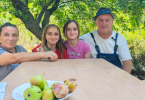
D.Ž. believes life is much harder for the young than for the elderly:
– You can see for yourself how hard it is to find work, for young people who are able and willing to work. For older people, it’s not so bad—they should all return to preserve their property. Of course, younger people can also make it if they find their place here. The key is to somehow make it work. We hope for good things, just health and freedom.
Opinions and feelings about life are mixed, like the peace and sorrow, like the beauty and nostalgia of Brestovik. Some still hold on to a flicker of hope, while others have completely given up, feeling helpless and abandoned. Yet, if you look deeply into their eyes, you can see a spark—whether of hope or of tears, they won’t tell you.
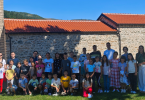
There are only three young families with children, and they all agree—once the children grow, they try to send them far away for schooling.
Among the village youth, aside from me, my brother and sister, there’s only one other young man around our age. When we’re not studying, we return to the village and spend time together. There’s nothing for young people to do here. No opportunities for socializing—coffee with friends, the cinema, theater, are luxuries. The bigger problem is the lack of jobs. Young people have no prospects, so every year many leave. Those who remain survive through agriculture, feeding and educating their children.
Whether life, youth, laughter, and joy will return to the village, or whether it will become completely abandoned and Serbian homes will remain empty, time will tell. One thing is certain: the beauty and happiness that a homeland provides cannot be replaced by anyone or anything. Every home here radiates warmth, smells of love and home, of hearty meals and grandmother’s embrace. Anyone who forgets their birthplace has forgotten themselves.
Marta Dašič
Brestovnik, Metohija
Call for donors
For more stories from Kosovo and Metohija, support our work with donations here: DONATIONS
Brestovnik