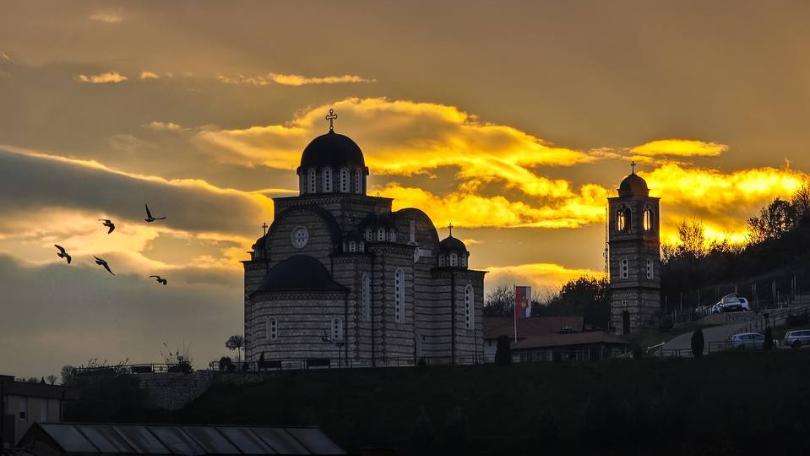
Kosovska Mitrovica, mentioned with pity and increasingly rarely outside student circles, seems to be lost in a poorly guided process…
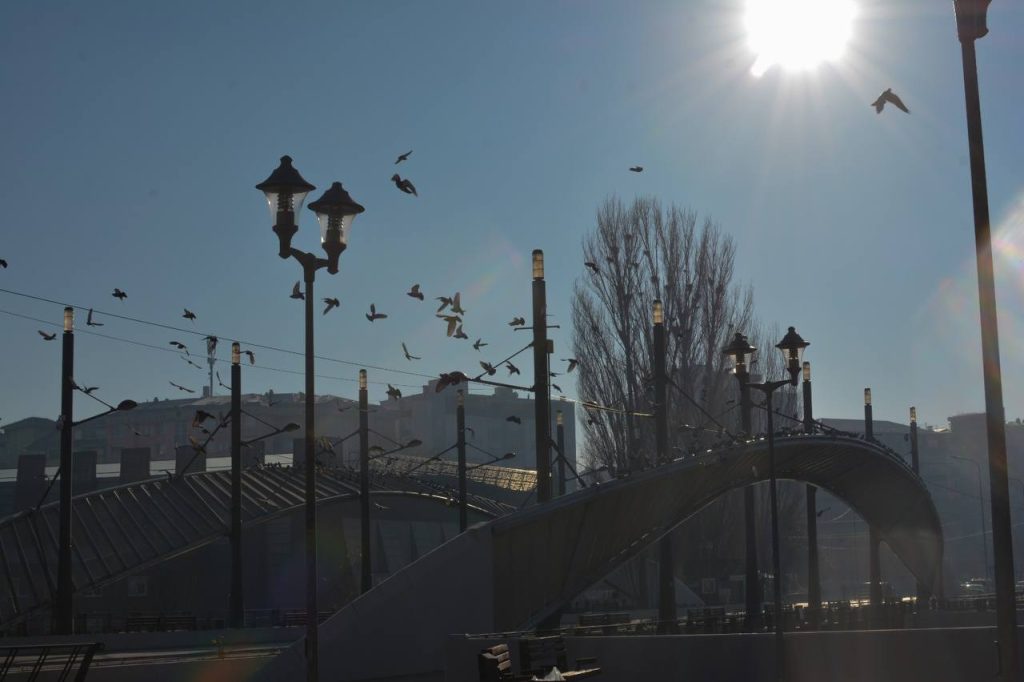
If you search for Kosovska Mitrovica online, the first three headlines almost always include words like: arrested, detained, listed, interrogated, boycott. A little further down, in basic settlement info, it’s marked as divided, with the well-known image of the bridge over the Ibar. Bridges here have often represented boundaries, not only physically but also metaphorically. Boundaries on bridges became principles one had to cross if daring to pass. As a people, we chose more complicated detours, refusing to abandon our principles. Kosovska Mitrovica remains a guardian of these principles, which have become its only refuge. On the other side of the bridge, every Serbian principle turns into a legal process, and conversations, except among students, revolve around trials—even at the university.
How Kosovska Mitrovica Got Stuck in the Process
“My father is one of those arrested. He was essentially kidnapped to the other side while at the checkpoint between the Serbian and Kosovar sides. They handcuffed him, put him in a car, and accused him of everything related to his command responsibility from 1999. The indictment is 100 pages, and I don’t know how many witnesses they claim to have found. We almost stopped believing he would get out. Nothing matters, even that he stepped down from his position at the time. For 25 years he visited his property annually, and suddenly, he appeared on a list of accused war criminals. Some warnings about a list reached him, but who could believe that… Who among us isn’t on some list?” A young woman, working in the university office in Kosovska Mitrovica, calmly serves coffee in the small office while dismantling the cups. Her question lingers like the sediment of the last sip.
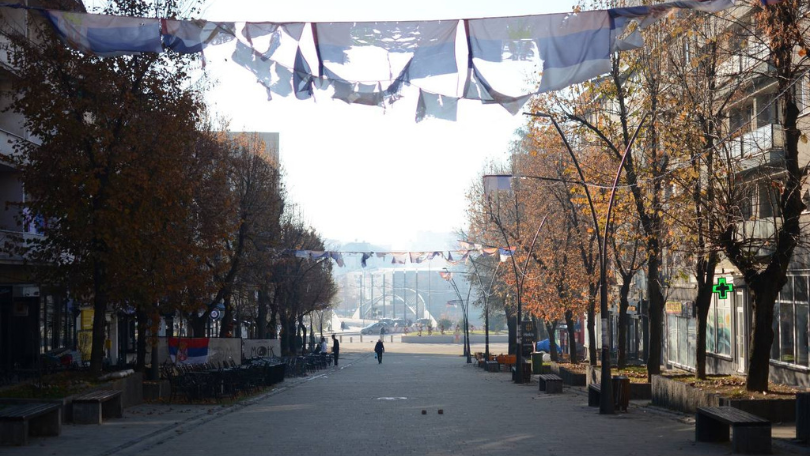
Kosovska Mitrovica promenade, photo: Bojana Marković
Is There a One-Way Ticket to Kosovska Mitrovica?
We try to start a conversation again about the university and students. This morning, many from Kosovska Kamenica to Gračanica didn’t attend lectures. Without explanation, the student bus line from Kosovo Pomoravlje was canceled. University staff explain how much effort went into establishing that line 20 years ago when students from southern Kosovo traveled via Vranje and central Serbia for up to ten hours. Now, the situation seems reset.
“They found us a temporary solution starting tomorrow,” a sociology student says, lifting her head from her phone with mild disappointment.
– Excellent! They say from the student services
-But temporarily!
-Oh well, okay now. Everything here is temporary.
“Well, everything here is temporary,” she adds, as does another person, also accused in what he hopes will be a shorter trial.
Everything is Temporary, Yet We’re Always in Process
In the last two years, any Serb from northern Kosovo could potentially face politically motivated charges. Assigned guilt, they appear in court unsure if it is truly a court, becoming a Kafkaesque character. Media sources report that over 20 people were processed in the last year in this small student town. As in The Trial, questions of guilt often remain unresolved. One thing is clear—there is no one in Mitrovica who hasn’t been detained, arrested, knows someone arrested, or hasn’t heard of a trial.
We try to bring a lighter tone and talk about student life. Despite canceled bus lines, students remain hopeful. The city hums with whispering, counting, music—like it has found solace in this buzz, leaving streets, shops, and cafes to youth who keep life alive.
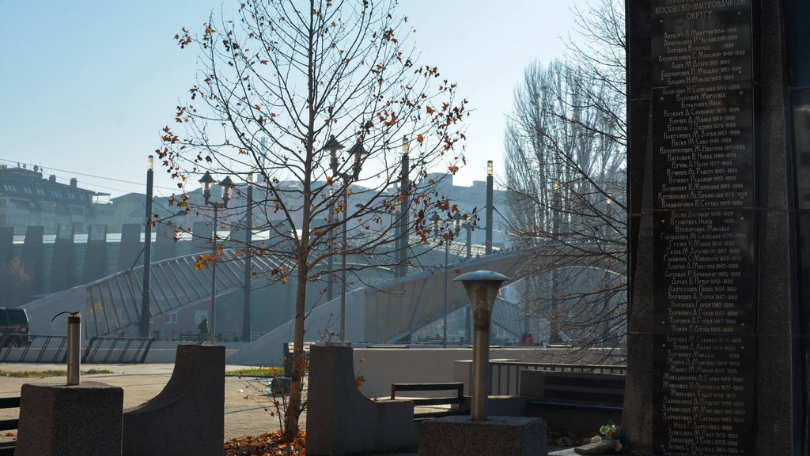
Kosovska Mitrovica promenade, photo: Bojana Marković
Why Mitrovica Clings to Principles
СA medical student, one of the scholarship recipients of H.O. Kosovo Pomoravlje observes that people sitting in newly opened Albanian cafes seem to drink coffee and stare uncomfortably at passersby.
“This morning I wanted to go to church, and they were there. It’s strange how the cafes are always full, morning, afternoon, and evening. I feel like they’re paid to sit. It’s uncomfortable, especially if you’re a girl or a mother with children. I avoid going there now.”
Although nearly all students said similar things, they note it is “normal for us in Kosovo.” “Situation” has become a word that encompasses all concerns, fears, and reports about life and processes in Kosovo and Metohija.
Kosovska Mitrovica promenade, photo: Jelena Cvetković
On the way back, we stop on the promenade by Lazar before lunch at Sejda’s. A new Albanian supermarket faces the monument to Saint Prince. It is boycotted—one explanation is that Serbs should shop in the south and fill fuel there. Kosovska Mitrovica, mentioned with pity and ever more rarely outside student circles, seems to vanish in a carelessly managed process. The city comes and goes—students with folded return tickets, rustling coats, returning Monday, Wednesday, Friday via the temporary student bus line.
Kosovska Mitrovica, November 2024
Marija Vasić
Support more stories from Kosovo and Metohija by donating: DONATION