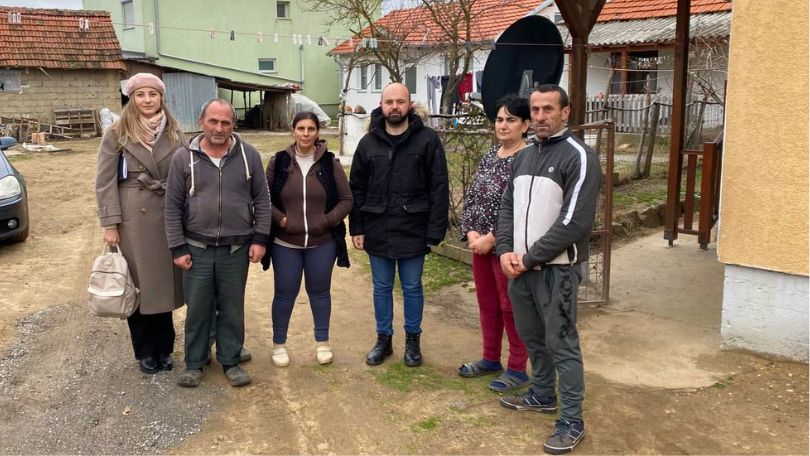
In Šipašnica, near Kosovska Kamenica, only three Serbian households remain. In this small Serbian-Albanian village, right on the administrative line, when asked what life is like, locals reply: “Like walking barefoot through thorns.”
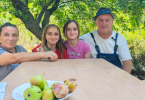
The thorns and weeds are what first meet the eye in Šipašnica, yet through them shines the free and honest smile of the eldest Milanović as we talk.
What is life like in Šipašnica?
Well, how to put it—like walking barefoot in thorns. We who stayed did it so no one else would have to. You need persistence and a stubborn will to remain in Kosovo. Without love, I wouldn’t have stayed. Back in ’99, my two sons were still young. Shooting everywhere, and we just sat here. I had a water fountain by the house, and soldiers with automatics were sitting there. For me, it was as if there was no shooting at all. I had already decided—it was all or nothing.
How is it today? Who protects you?
Thank God, there are no big problems now… But we endured it all. We are guarded by God and the Holy Mother. Otherwise, no one would dare spend the night here.
Šipašnica
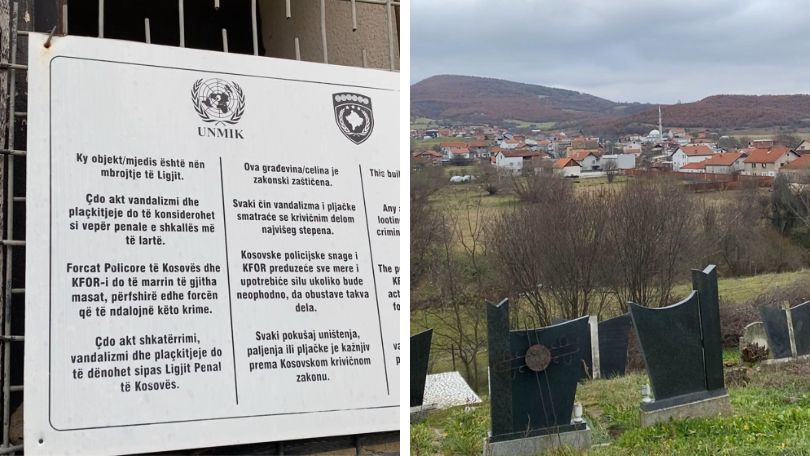
Burned-out homes, barns, and even the church—bombed three times—mark the past of Šipašnica. The ruins, the graveyard, and the remnants of the churchyard, now under UNMIK protection, still carry the smell of history through the mountain air.
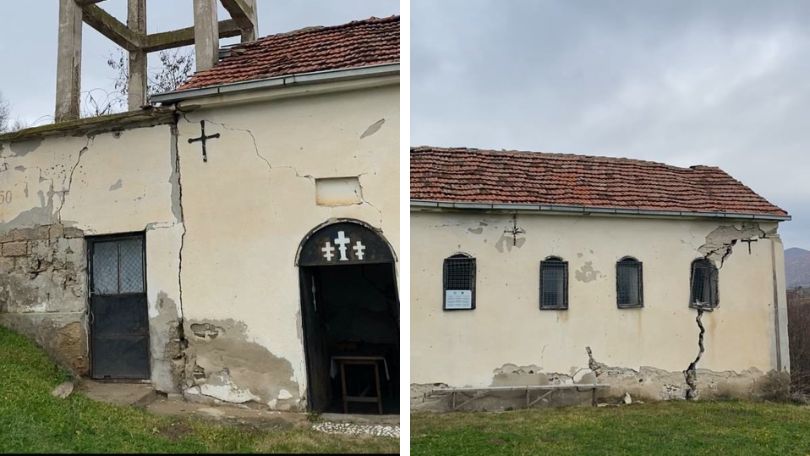
The Church of St. Petka in Šipašnica
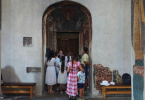
The Church of St. Petka, nearly 200 years old, has suffered three bomb attacks. Though many promised to rebuild it, the attempts failed. Today, the church barely stands, leaning with its heavy bell tower over the graveyard below.
Church of St. Petka
Are there young people in Šipašnica?
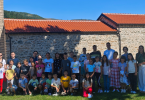
The Janković, Milanović, and Stojković families still live in the village center, where Serbs once made up the majority. Now, most of their closest neighbors are Albanians. While there are no conflicts, life for the two high schoolers and one elementary student is lonely. Once the school van door closes, so does their social life—no outings, no friends, only isolation.
For the elders, home is still best
As Milena Stojković tells us:
We survived everything—robberies, arson, theft… But today, I can’t complain. We live well now. We have good neighbors, both Serbs and Albanians. The only thing is, there are so few of us left—that is our biggest worry.
Šipašnica
The Janković Family – the largest household in Šipašnica
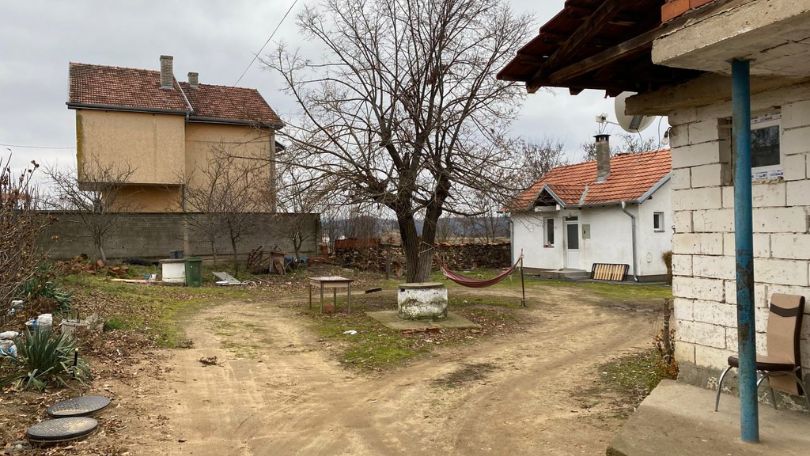
The Janković family lives much like in the old days—several generations together, in harmony and respect. Goran and his wife Slađana with their two children live next to Goran’s father and his brother Živko with his family. Three small houses share one yard, with five children playing together. Despite hardship, the family keeps its land and continues to grow.
We always keep a pig or some chickens. Until recently, we had a cow, but sold it because it got too old. We cultivate our land, sow, plant, and feed the animals. We never abandon the land. Another cow would mean so much to us, but it’s too expensive. Still, even one cow can provide everything a family needs.
Serbs in Šipašnica – Holding on to Their Land
There used to be around twenty Serbian homes in Šipašnica. Most are now abandoned, some sold, and some properties taken. What remains owes everything to those who stayed—the most steadfast and the bravest.
Their lives are a great feat—difficult, yet filled with meaning and faith. Rich in spirit, they rarely speak of what they lack, saying it is no small thing to live in your own home, by your own hearth. That is worth more than anything.
Marija Vasić
For more stories from Kosovo and Metohija, support our work with donations by clicking on: DONATIONS